Frau & Mann – Australien & Britannien – Altstimme & Bariton 2 – Im südaustralischen Melbourne treffen sich 1980 die Arbeitskollegen Bariton Brendan Michael Perry und Altstimme Lisa Germaine Gerrard, gründen 1981 Dead Can Dance. Die detaillierte Vorgeschichte zu den Beiden ist im ersten Teil erzählt.
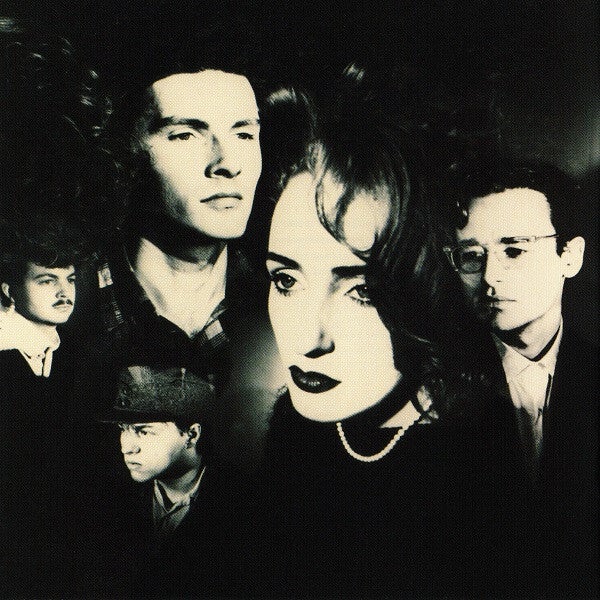
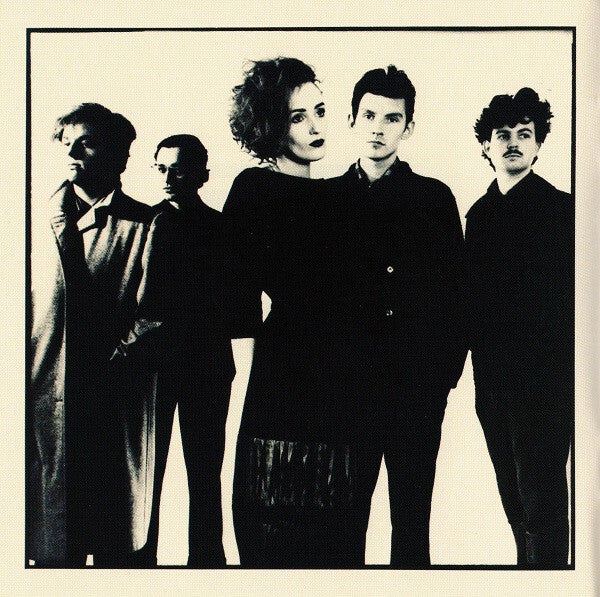
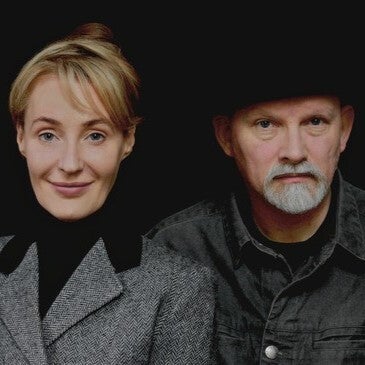
Dieses außergewöhnliche Duo, Gerrard und Perry waren in der Frühphase ein Paar, verstand sich nach Wechsel vom australischen Melbourne ins britische London, treibende Kraft war Perry, als Künstler-Kollektiv. Sie hatte durch ihre Vorgeschichten und auch durch das multiethnische Umfeld im Melbourner Stadtviertel East Prahran (beide hatten dort Nebenjobs) einen ganz eigenen Klangkosmos entwickelt. Dead Can Dance nutzen die ganze Vielfalt globaler Musik-Kultur, beziehen sich auf mittelalterliche Musik, viele ethnische Musikrichtungen, Neo-Klassik und rockigen Elementen. Diese Musik und dazu auch noch der ungewöhnliche Gesang von Brendan und besonders aber Lisa lassen eine Klang-Melange entstehen die weltweit einzigartig ist und einen sehr hohen Wiedererkennungswert hat. Das Duo und einige Gäste erzeugen mittels afrikanischer Perkussion, australischen Didgeridoos, asiatische Saiten-Instrumente (auch chinesische Yangqin), eine Vielzahl unterschiedlicher Gitarren und andere Zupf-Instrumente sowie vielen anderen exotischen Musikgeräten, sphärische Klangräume wie aus einer anderen Welt. Im Laufe ihrer Karriere von 1981 bis 1998 entwickelten sie schrittweise einen besonderen Stil, der europäische Musik-Traditionen des Mittelalters und der Renaissance mit Elementen aus Ambient, Pop, Wave und Weltmusik verbanden. Die Musik ist auch ideal zur Vertonung von visuellen Darbietungen, dort wird sie deshalb sehr häufig eingesetzt. Nach der ersten Trennung 1998 arbeiten beide unabhängig voneinander an verschiedenen Film-Musiken und Projekten. Deren weitere detaillierte Geschichte siehe bei den Profilen von Lisa und Brendan im Teil Uno.
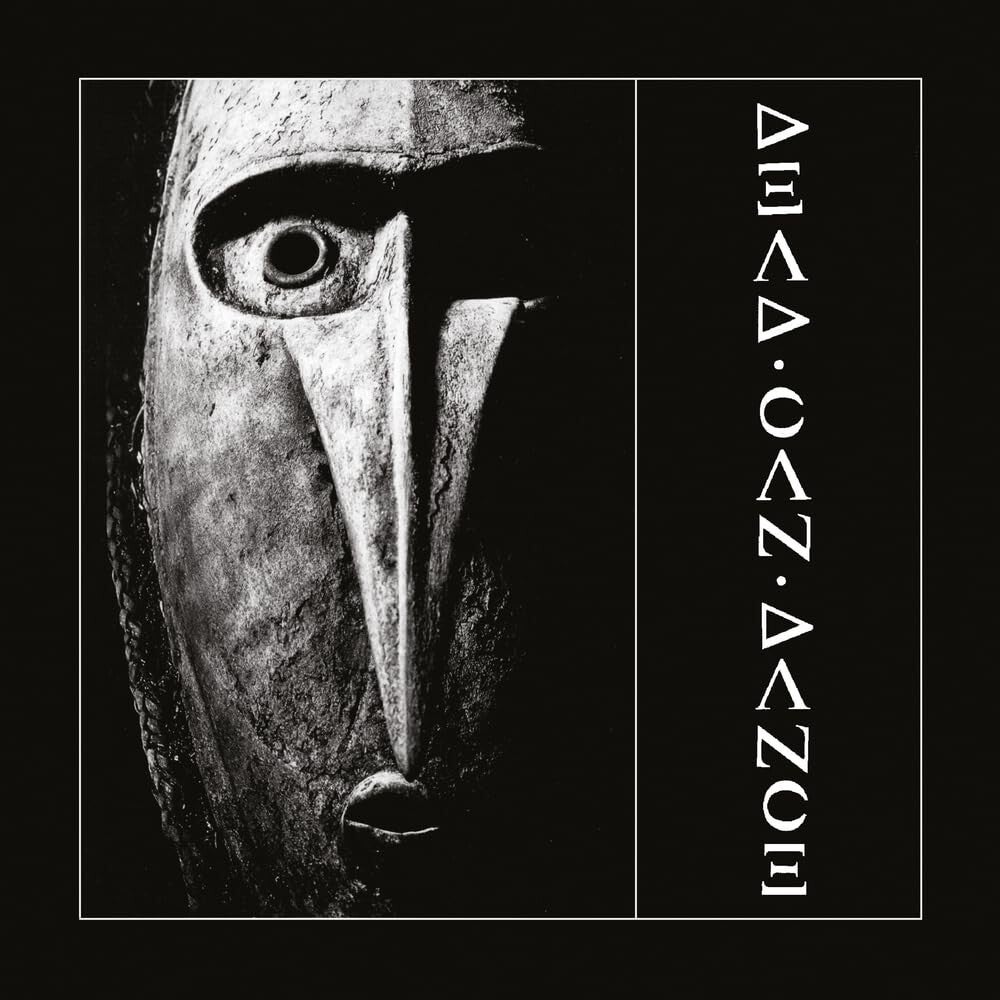
Von Down Under ins Königsreich – Die erste gemeinsame (aber erst 1986 in der 4AD-Kompilation Lonely Is An Eyesore veröffentlichte) vierspurige Studio-Aufnahme, bei dem Lisa Gerrard die Lead-Stimme sang und das Yangqin spielte, war die improvisierte Komposition Frontier. Der Titel erschien erstmalig im Dezember 1981 mit der Ausgabe des Magazins Fast Forward. Hier sind bereits alle Stilelemente dieser Truppe zu hören: den nichtlyrischen, phonetischen Gesang von Lisa, atmosphärische elektronische Klangstrukturen, stark verknüpft mit einer Vielzahl von akustischen Instrumenten. Der frühe Demo-Titel wurde zusammen mit ein paar anderen 1982 in einem Studio in Belgrave (mit Schlagzeuger Simon Monroe, ehemals Marching Girls), einem östlichen Stadtteil von Melbourne aufgenommen. Später erschien dieser Song 1984 auf dem selbstbetitelten Debüt (Cover mit ritueller Maske aus Neuguinea) in einer Neuaufnahme mit britischen Musikern. Zu diesem Zeitpunkt war die Band bereits Headliner im Crystal Ballroom in St Kilda, dem wichtigsten Post-Punk-Veranstaltungsort Melbournes. Dort spielten sie am 2. April 1982 ihr Abschiedskonzert in Australien. Im Mai zogen sie nach London, dort beim Alternative-Label 4AD unter Vertrag genommen wurden. Neben dem Duo gehörten in der ersten britischen Besetzung auch Paul Erikson und Peter Ulrich zur Band.
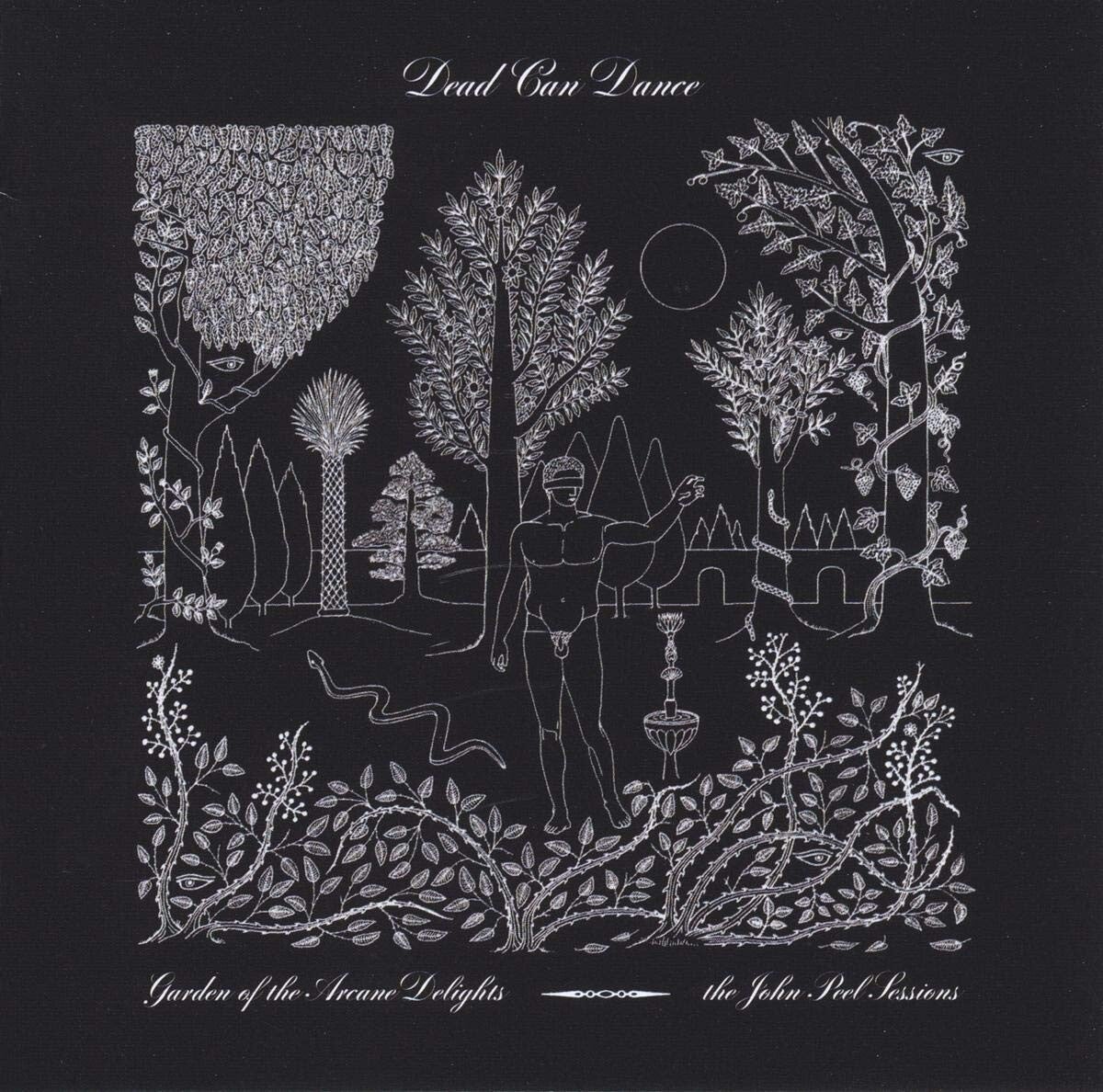
Die Aufnahmen der ersten vier Titel für die John Peel BBC Radio Show entstanden am 19. November 1983 im Maida Vale Studio Four. Schon Ende Februar 1984 erschien das selbstbetitelte Debüt der Gothic-Rocker weltweit. Das in einem Achtspur-Studio (Vineyard) entstandene Werk, fand nie die Zufriedenheit des Duos, hat aber alle Merkmale dieser Formation. Die mangelnde technische Qualität ist auch der Grund weshalb auf den beiden schönen Zusammenstellungen 1981-1998 (2001, 3CD+DVD) und Wake (2003, DCD) dieses Debüt nicht berücksichtigt wurde. Eine zweite Peel-Session mit erneut vier Titel wurde für die BBC im Maida Vale Studio Four am 02. Juni 1984 aufgenommen. Das zweite reguläre Studiowerk ist die 4-Titel-EP Garden Of The Arcane Delights, aufgenommen im selben Zeitraum wie die Peel-Sessions, kam schon im August 1984 auf den Markt. Damit wurden damals der aufflammende Hunger der Fans gestillt und auch dem Qualitätsanspruch der Band genüge getan. Alle acht vorher erwähnten BBC-Aufnahmen findet man auf einer Deluxe-Ausgabe dieser EP (2016: 4AD). Mit dem Wechsel in die Woodbine Street Studios, dort wurde mit Gäste-Unterstützung der Nachfolger Spleen And Ideal aufgenommen und im November 1985 veröffentlich, war der Durchbruch geschafft und der weltweite Siegeszug der Totentänzer begann.
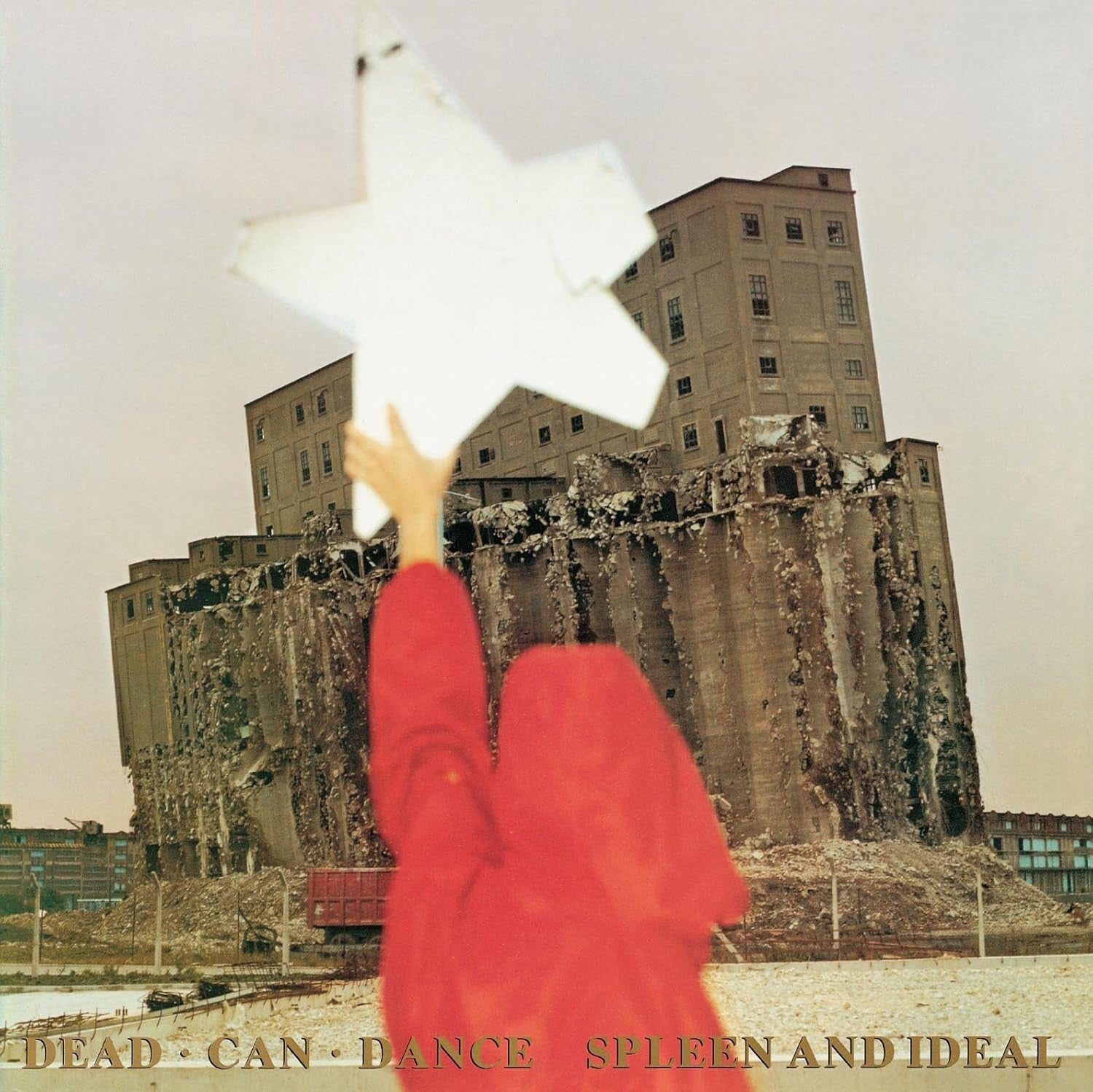
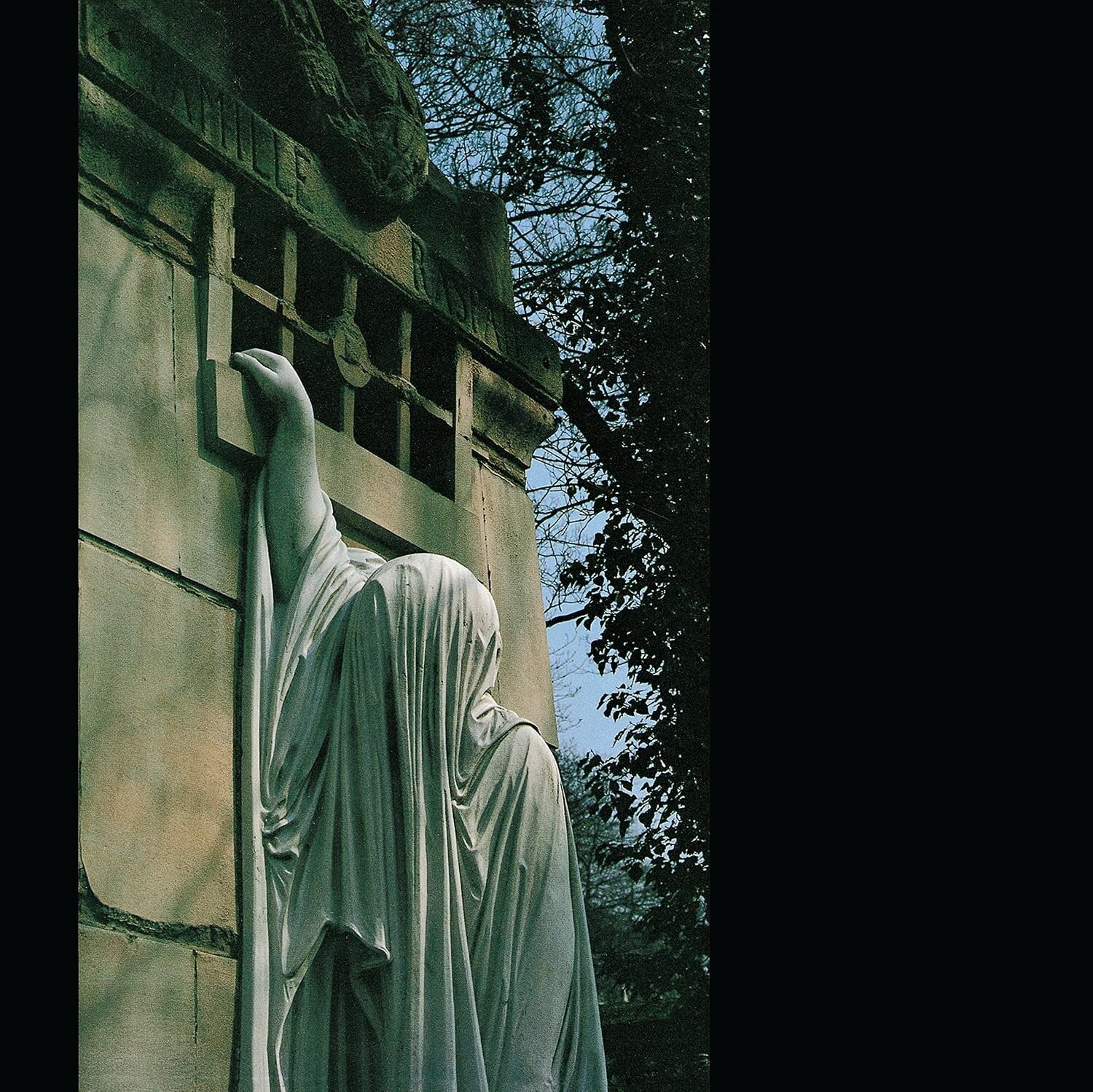
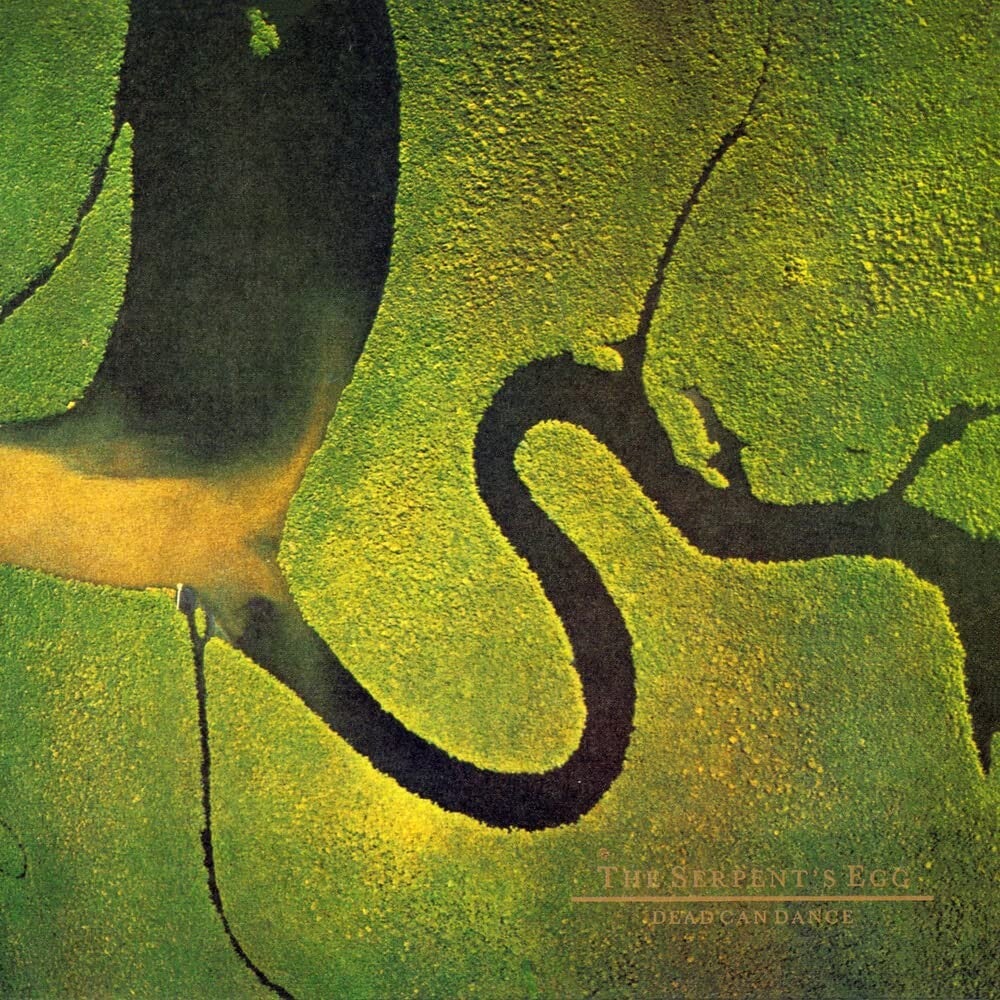
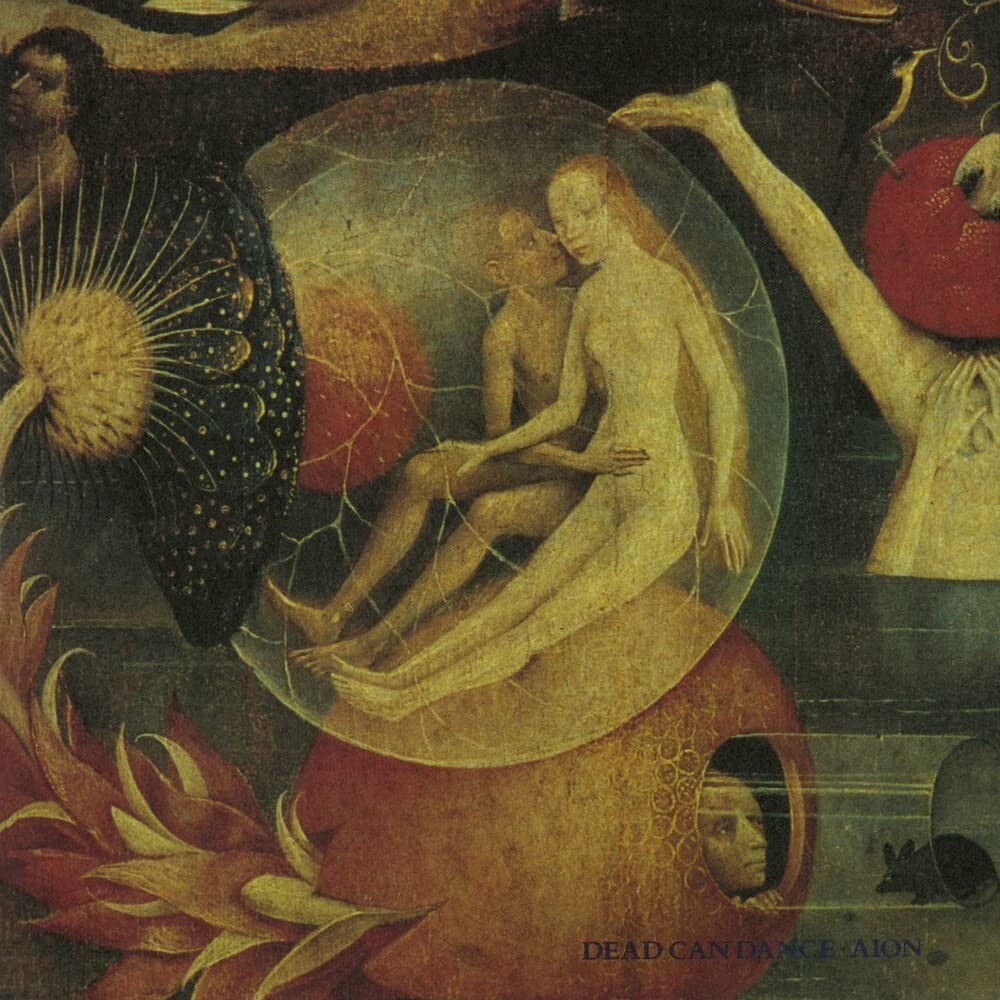
Hoheiten des Düsteren – Mit den nächsten Alben Within The Realm Of A Dying Sun (1987) und The Serpent's Egg (1988) veränderte sich der Stil immer mehr weg von klassischer, elektronikgestützter Rock-Musik hin zur klassischen, akustisch geprägten Musik und den dazugehörigen Elementen. Es war daher kein Zufall, dass sich die Film-Industrie verstärkt für ihre Arbeit zu interessieren begann. Zwei wichtige Fakten zu 1989. Gerrard und Perry trennten sich nun auch privat, Gerrard zog zunächst nach Barcelona, bevor sie nach Australien zurückkehrte, während Perry nach Irland zog. Doch sie schrieben weiterhin gemeinsam Musik, nahmen Stücke auf und traten als Dead Can Dance auf. Gerrard und Perry schrieben auch den Soundtrack zu Agustí Villarongas Film El Niño De La Luna (Moonchild), in dem Sirene Lisa Gerrard auch ihr Schauspiel-Debüt hatte. Diese sperrige Bilder-Musik für Publikum erfolgreich auf Bühnen zu präsentieren, war immer Bestandteil dieses Projekt, wurde aber zunehmend komplizierter. Dennoch folgte 1990 die erste große Tour durch die USA und erneut mit Aion (griechisch: Ewigkeit, Begriff der Antike) ein bärenstarkes Studio-Album. Mit gregorianischen Gesängen, traditionellem Liedes-Gut, mittelalterliches Instrumentarium wie Drehleier, Dudelsack und Schlagwerke, die Renaissance ist darin noch stärker gewichtet. Inzwischen weltweit auf der Erfolgswelle, ist eine Retrospektive unvermeidlich. 1991 folgte deshalb A Passage In Time mit zwei neue Stücken Bird und Spirit. Diese Zusammenstellung ist aber nicht meine favorisierte Best-Of des Projekts, das ist klar die DCD Wake. Dennoch ist diese erste Kompilation auch ein kreativer Baustein dieses Künstler-Duo. Alle 14 Titel plus die zwei neuen Kompositionen wurden erneut gemischt und mittels Glasmastering, sowie den damals besten technischen Möglichkeiten, nur auf CD veröffentlicht. Das Werk ist durch die Wahl der Songs und deren geschicktes zusammen setzen wie eine fließende Klangstruktur. Manche Fans meinen es ist das zwölfte Studio-Album dieses Projekts.
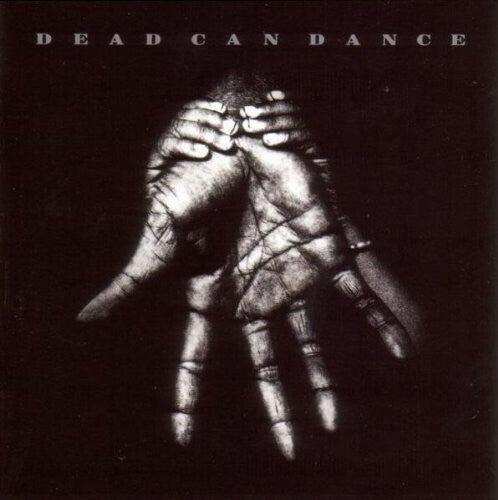
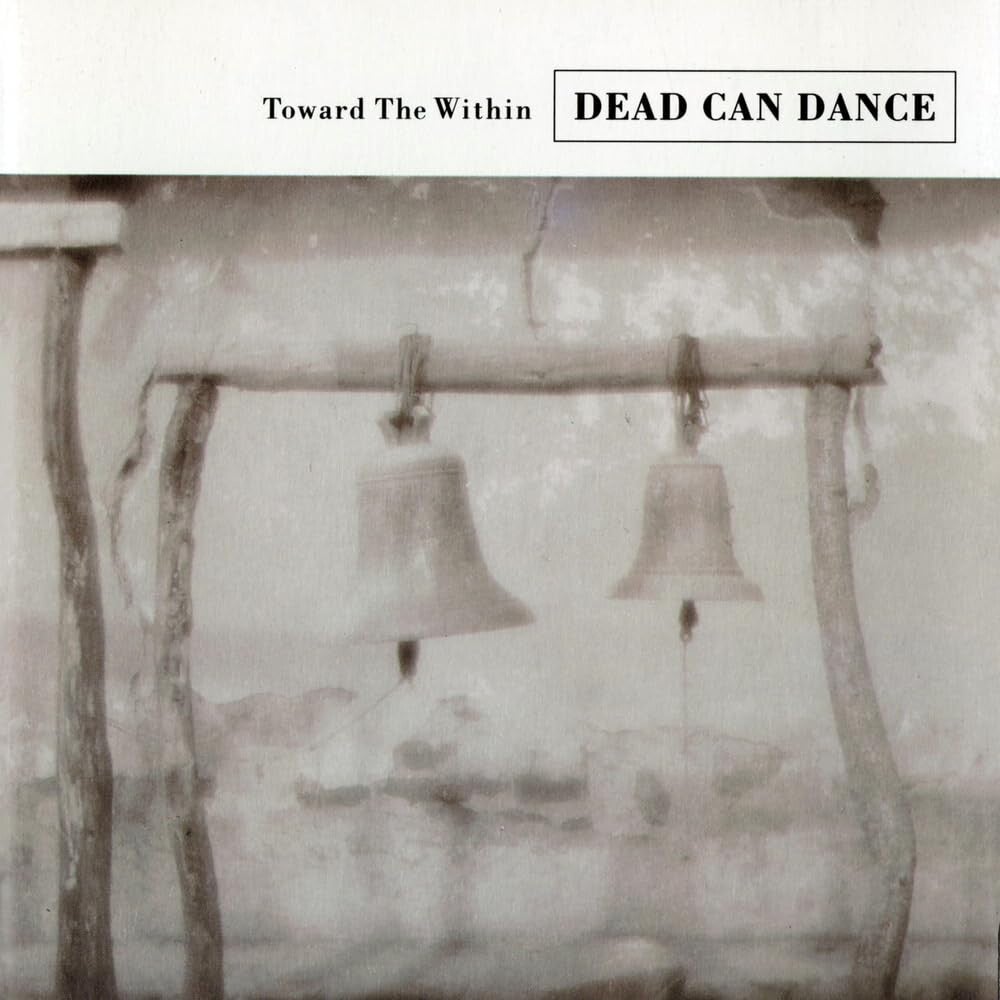
Mittelstück, Filet oder Panade – Christopher von Deylen alias Schiller sagte kürzlich in einem TV-Interview: „Mit meiner Musik versuche ich Bilder und Filme im Kopf entstehen zu lassen.“ Das trifft auf die Klänge von Dead Can Dance ebenso zu. Im September 1993 erschien Into The Labyrinth, es kam gänzlich ohne Gastmusiker aus, verkaufte sich weltweit über 500.000 Mal. Es war der kommerzielle Höhepunkt von DCD, band wieder mehr elektronische Weltmusik ein und ist bis heute die medienstärkste Veröffentlichung des Duos. Es stieg sofort in die Billboard-200-Charts ein und machte die Gruppe zum kommerziell erfolgreichsten Act des Labels 4AD. Perry und Gerrard steuern im selben Jahr einige Stücke zum US-Film Baraka bei, arbeiteten mit dem Avantgarde-Künstler Hector Zazou auf Sahara Blue (MTM) zusammen. Das auf der US-Tour in Kalifornien (The Mayfair Theatre, Santa Monica, Tour mit Bruder Robert Perry) aufgenommene Live-Album Toward The Within (1994, in allen Video-Formaten), enthielt überwiegend bislang unveröffentlichte Titel. Damit zählt es bei den DCD-Fans ebenso als vollwertiges Album, es verschwimmen damit die Schubladen Demo, Studio, Live, Neuaufnahme. Es gibt auch noch einige sehr gute offizielle Bootlegs von dieser Tour.
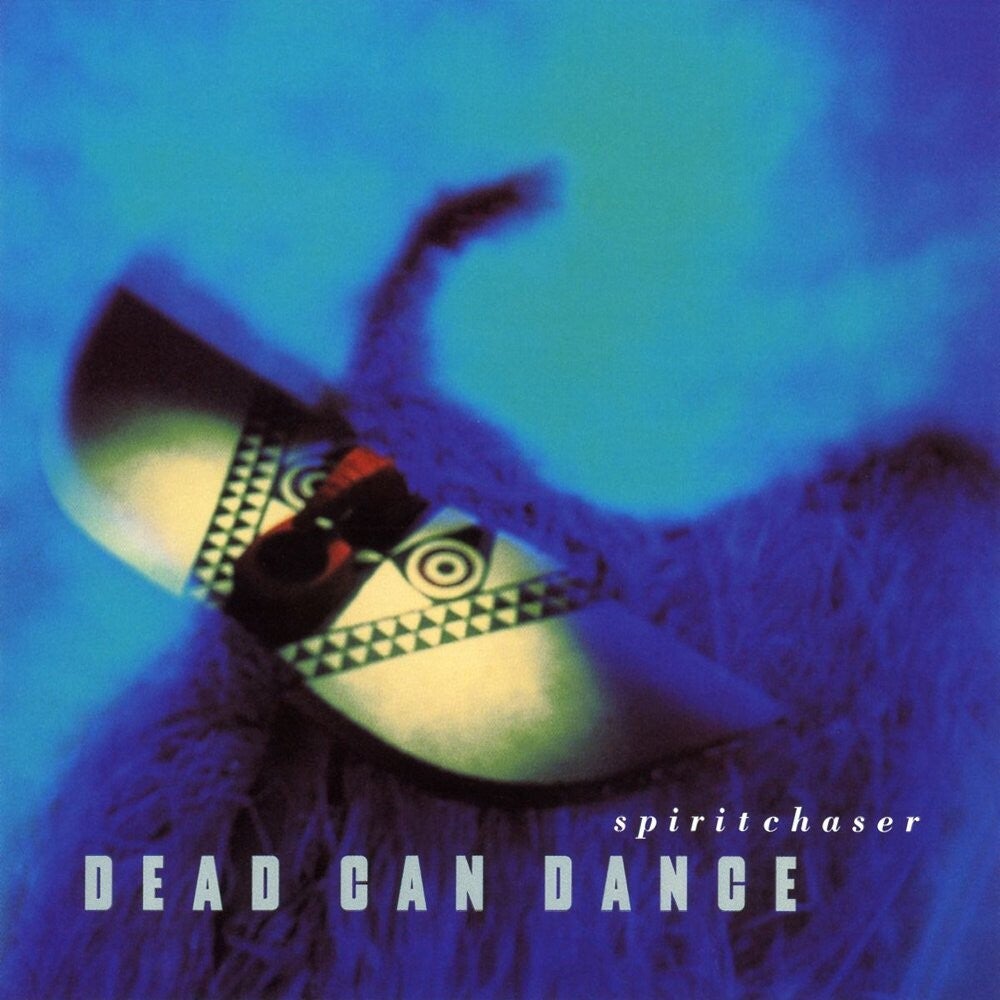
Auf dem 1996 erschienenen Album Spiritchaser bewegten sich Dead Can Dance stärker in Richtung afrokaribischer Elemente. Hier dominieren rhythmische Strukturen, eingespielt von bis zu einem Dutzend Perkussionisten. Brendan Perry blieb auch bei diesem letzten gemeinsamen Album der musikalische Steuermann, entwickelte musikalische Visionen und plante, strukturierte die gemeinsame Promo- und Projekt-Arbeit. Für 1996 war auch eine weitere Welt-Tournee geplant, die sollte Spiritchaser begleiten und promoten, die Tournee wurde aber ohne Gründe abgesagt. Am 9. Dezember 1998 kam ein sehr trauriger Tag für die DCD-Fans, Lisa und Brendan trennten sich aus ungenannten Gründen, das Duo-Projekt wurde kommentarlos erst einmal vorübergehend aufgelöst. Dass aus dieser Zeit unveröffentlichte Stück The Lotus Eaters, wurde später auf den beiden Kompilationen Dead Can Dance: 1981-1998 (2001, 3CD+DVD Box) sowie Wake (2003, 2CD) veröffentlicht. Lisa Gerrard auf ihrer Webseite unter dem Titel The Dead Can Dance Statement: „Wenn die Angst dorthin kommt, wo die Liebe sein sollte, ist es an der Zeit, weiterzuziehen!“ Mein Urteil zu Filet oder Panade: Eindeutig ein erstklassiges Mittelstück.
Tourneen 2005 – Nach einer 6-jährigen DCD-Projekt-Pause, in der Lisa sowie Brendan intensiv an jeweils eigenen Projekten arbeiteten, sind Dead Can Dance überraschend dann 2005 mit zwei Tourneen wieder in Europa (10. März bis 07. April 2005, 12 Auftritte) und Nordamerika (September/Oktober, 8 Auftritte) erfolgreich aktiv. Diese zwölf Konzerte ihrer Europa-Tournee sowie acht Auftritte der anschließenden Nordamerika-Tournee wurden allesamt aufgezeichnet und als limitierte CD-Ausgaben über das Label The Show veröffentlicht. Zudem erschienen Zusammenstellungen als Box DCD Europe 2005 (The Show, 24CD) und DCD North America 2005 (The Show, 16CD) sowie unter dem Titel DCD 2025: Selections From Europe 2005 (The Show, 2CD). Weiterhin sind viele Auftritte über offizielle Bootlegs und Promos gut dokumentiert.
Auch diesmal war die Hoffnung wieder groß das Lisa Gerrard und Brendan Perry nicht nur auf der Bühne zusammenarbeiten könnten. Viele Gerüchte einer Reunion lagen in der Luft. Anlass dazu gab natürlich das mit Saffron, Yamyinar, The Love That Cannot Be, Crescent, Minus Sanctus und Hymn For The Fallen auch wieder eine Handvoll neue Lieder der beiden Komponisten auf dieser Tour präsentiert wurden. Es existieren aber auch noch zahlreiche inoffizielle Konzert-Mitschnitte (Bootlegs) aus der gesamten Karriere der Band, die etliche seltene Stücke enthalten, welche ausschließlich live dargeboten wurden. Allerdings kommentierte Lisa Gerrard erneut die drängenden Nachfragen zu Dead Can Dance mit zu unterschiedlicher musikalischer Ausrichtung und dass dadurch die Differenzen schier unüberbrückbar geworden seien. Aber um es schon mal vorweg zu nehmen, die Zeit heilt manchmal auch größere Wunden.
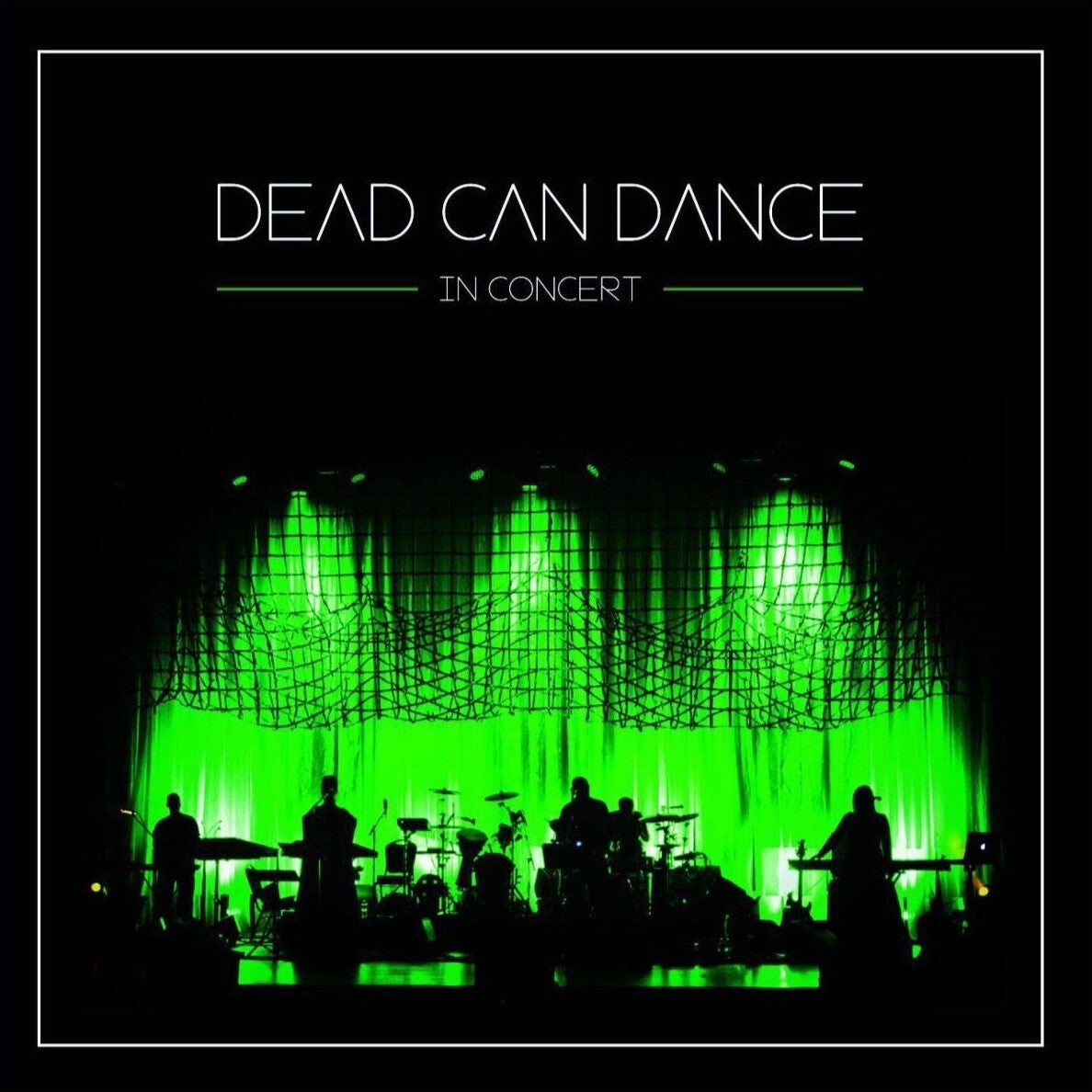
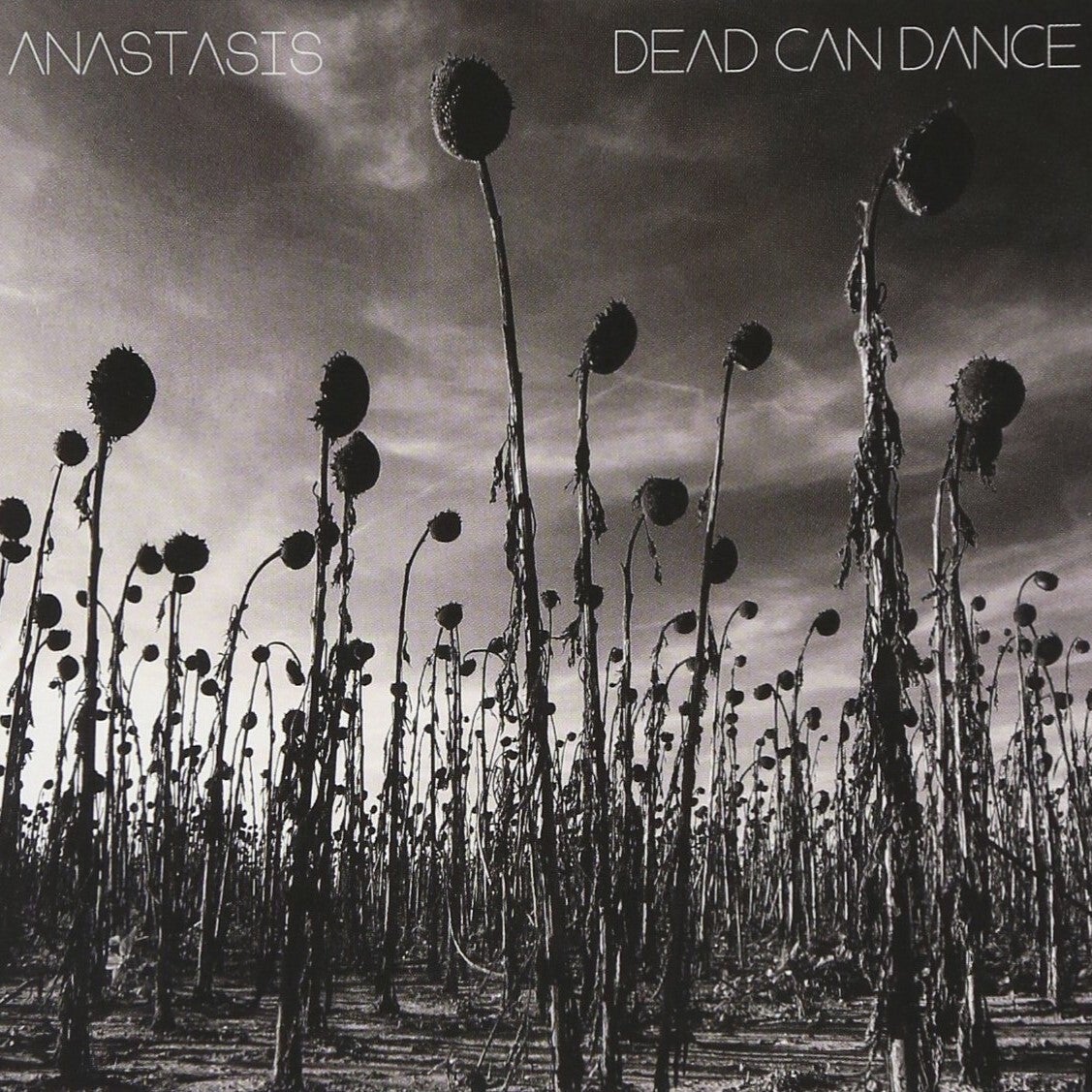
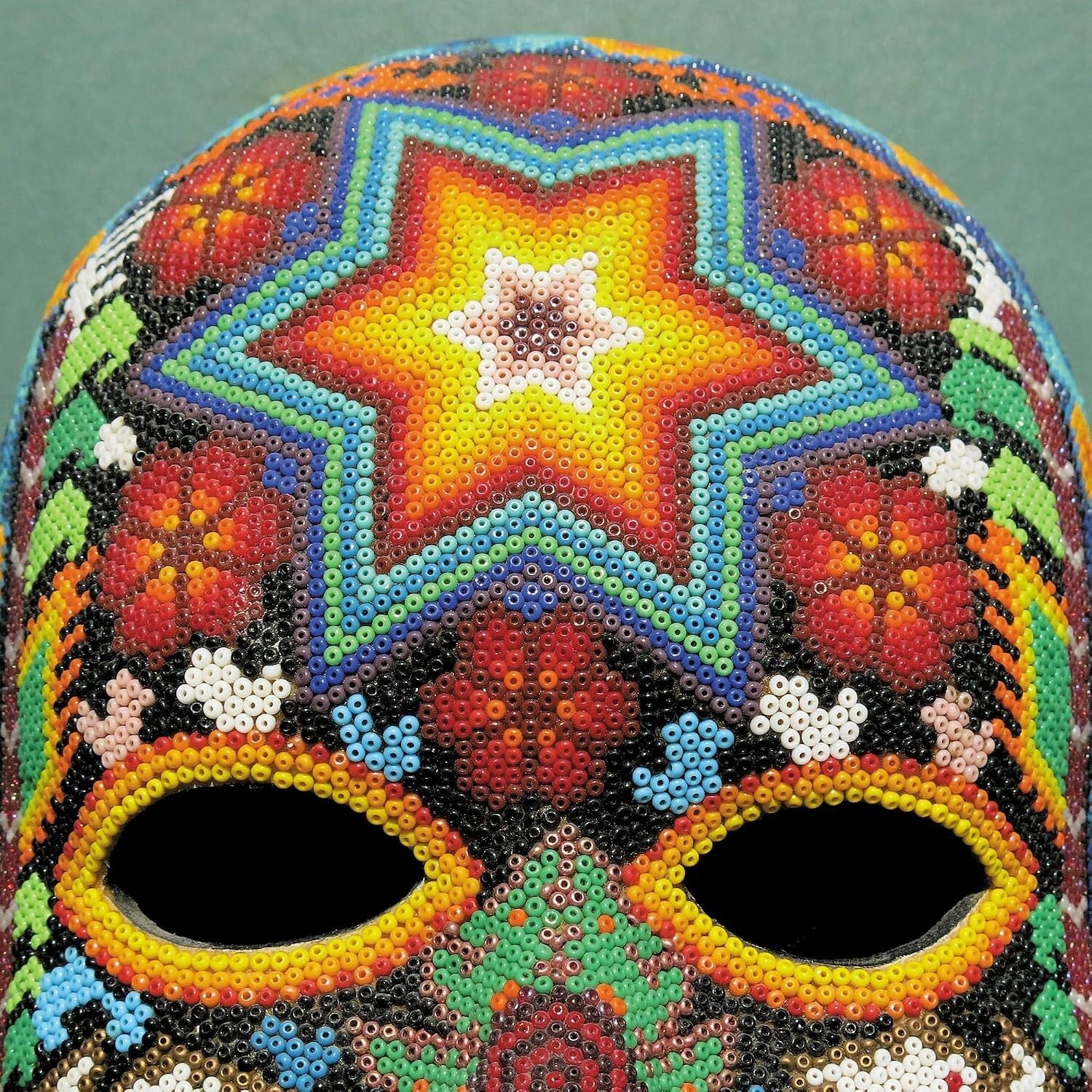
Tourneen 2012 – Im August 2012 erschien mit passenden Titel Auferstehung (griechisch: Anastasis), nach einer Studio-Pause von immerhin 16 Jahren, überraschend dieses nächste gemeinsame Album von Dead Can Dance und die Zusammenarbeit mit dem Label PIAS. Zu hören sind diesmal viel mehr synthetische Klänge, geschickt eingestreute Weltmusik-Elemente, wechselnd jeweils 4-mal Gesang von Perry und Gerrard. Vielen Kritikern gefiel dieses, gefühlt wie an einem Reißbrett in den Quivvy Studios Irland aufgenommene und produzierte glatte Album (gewidmet Hugo Bergerault), nicht besonders. Denn gerade diese raue Düsternis, gekoppelt mit vielen naturakustischen Klängen und begleitet mit besonderer Vokalakrobatik, war das Markenzeichen dieses Duo. Nicht falsch verstehen, Anastasis ist sicher noch weit über Mittelmaß, aber die drei Alben aus Mitte der 90er sind etwas überzeugender, in jeder Hinsicht. Beispielsweise ist der Schwerpunkt bei der vorbildlichen Best-Of-DCD Wake (2003) nicht ohne Grund mit fünf Titeln (35 Minuten) von Into The Labyrinth (1993) genau aus dieser Zeit. Aus dem Material der begleitenden weltweiten Tour entsteht das erste echte Live-Album In Concert (2013) der Band. Das Album Anastasis gab es auch als Deluxe-Doppeldecker (2023) mit 60-minütigen Live-Aufnahmen von der Anastasis-Welttournee 2012. Zum bisher letzten Album Dionysus (griechischer Gott) dauerte es dann nur fünf Jahre, zwei ultralange Titel im typischen Stil. Im April und Mai 2022 besuchten Dead Can Dance nach langer Zeit endlich wieder mal nach Europa, nach Berlin, Bochum, Frankfurt, Band und Fans konnten dabei auf ihre lange 40-jährige musikalische Karriere und elf einzigartige Studio-Werke zurückblicken. Es war in jeder Hinsicht ein audiovisuelles Ereignis der Extraklasse.

Tourneen & Studio – Im September 2022 gab die Band jedoch die Absage sowohl des zweiten europäischen Teils als auch der Nordamerika-Termine bekannt, als Grund wurden nicht näher genannte gesundheitliche Gründe angeführt. Im Mai 2023 erklärte Lisa in einem Interview, sie glaube, dass es mit Dead Can Dance nun „wirklich vorbei“ sei. Sie verwies auf künstlerische Differenzen während der Entstehung des Albums Dionysus sowie auf die Zusammenstellung der Setlist für die letzte Tournee; ihrer Ansicht nach habe diese Situation dazu geführt, dass „die Verbindung, die wir einst hatten, allmählich schwand“. Im April 2025 gab Brendan an, dass er an einer Fortsetzung von Dionysus mit dem Titel Apollo arbeite, die bis Ende des Jahres fertiggestellt sein sollte. Im darauffolgenden Monat kündigte er an, dass es sich bei Apollo um ein neues Album von Dead Can Dance handeln würde. Dieser Plan wurde aufgrund mangelnder Inspiration wieder verworfen.
Im Juni 2026 berichtete Brendan, dass es nach dem ersten Teil der Tournee zu einem „heftigen Streit“ zwischen ihm und Lisa gekommen sei und die beiden seitdem nicht mehr miteinander gesprochen hätten. Zum aktuellen Status der Band verriet er, dass Lisa ihm „ihren Segen gegeben hat, ohne sie weiterzumachen“. Im Juli 2026 bestätigte Lisa, dass sie nicht mehr Teil der Band sei, ermutigte die Fans jedoch dazu, „die neue Inkarnation“ – nun als Brendans Solo-Projekt – zu feiern. Am 20. März 2026 veröffentlichten Dead Can Dance mit Our Day Will Come ihre erste neue Single seit fünf Jahren. Die Single ist der „nationalen Solidarität zwischen dem irischen und dem palästinensischen Volk“ gewidmet; die Hälfte der Einnahmen kommt der Organisation Medical Aid for Palestinians zugute. Zudem gab die Band bekannt, dass neue Veröffentlichungen exklusiv über Bandcamp, unter dem bandeigenen Label Holy Tongue Records, vertrieben werden sollen. Am 18. April veröffentlichte die Band einen weiteren Song, Death Cults, und am 15. Mai folgte das Stück Mon Amour Sauvage. Diese Titel stehen in keinem Zusammenhang mit Apollo und sind Teil einer Reihe monatlich erscheinender Singles. Brendan beschrieb diese Arbeitsweise als deutlich schneller und befreiend, da er so spontaner und frei von vertraglichen Verpflichtungen arbeiten könne. Bilder: Cover, Promo, Text: Roland Koch
Ayers Rock: Dead Can Dance (AUS_UK_IRL) – Englisch Version
Woman & Man – Australia & Britain – Contralto & Baritone 2 – In 1980, in Melbourne, South Australia, colleagues Brendan Michael Perry (baritone) and Lisa Germaine Gerrard (contralto) met and, in 1981, founded Dead Can Dance. The detailed backstory—including the fact that Gerrard and Perry were a couple during the band’s early phase—is recounted in the first part. From 1982 onwards, the duo spent nearly two decades making music together in the UK and Ireland. After relocating from Melbourne to London—a move driven primarily by Perry—the pair operated as an artistic collective. Drawing on their individual backgrounds and the multi-ethnic environment of Melbourne’s East Prahran district (where both held part-time jobs), they cultivated a unique sonic universe. Dead Can Dance draw upon the full breadth of global musical culture, incorporating medieval music, various ethnic musical traditions, neoclassical influences, and rock elements. This, combined with the distinctive vocals of Perry and—most notably—Gerrard, creates a sonic blend that is globally unique and instantly recognizable. Together with various guest musicians, the duo employs African percussion, Australian didgeridoos, Asian string instruments (including the Chinese yangqin), a wide array of guitars and other plucked instruments, and numerous other exotic musical devices to craft ethereal, otherworldly soundscapes. Over the course of their career from 1981 to 1998, they gradually developed a signature style that fused European musical traditions from the Middle Ages and the Renaissance with elements of ambient, pop, new wave, and world music. Their music is also ideally suited for accompanying visual media, which is why it is frequently used in such contexts. Following their initial split in 1998, both worked independently on various film scores and other projects. For a more detailed account of this period, please refer to the profiles of Lisa and Brendan in Part One.
From Down Under to the United Kingdom – The first studio recording by the duo (a four-track session, though not released until 1986 on the 4AD compilation *Lonely Is An Eyesore*) was the improvised composition "Frontier." The track first appeared in December 1981, accompanying an issue of the magazine *Fast Forward*. It already showcases all the stylistic hallmarks of the group: Lisa Gerrard’s non-lyrical, phonetic vocals combined with atmospheric electronic soundscapes, intricately woven together with a variety of acoustic instruments. This early demo—along with a few others—was recorded in 1982 at a studio in Belgrave, a suburb east of Melbourne, featuring drummer Simon Monroe (formerly of the Marching Girls). A re-recorded version, featuring British musicians, later appeared on the band’s 1984 self-titled debut album (which bears a ritual mask from New Guinea on its cover). By this time, the band was already headlining at the Crystal Ballroom in St. Kilda—Melbourne’s premier post-punk venue—where they played their final Australian concert on April 2, 1982. In May, they relocated to London, where they were signed to the alternative label 4AD. In addition to the duo, the band’s initial British lineup included Paul Erikson and Peter Ulrich. On November 19, 1983, they recorded four tracks for the John Peel BBC Radio show at Maida Vale Studio Four. By late February 1984, the gothic rockers’ self-titled debut was released worldwide. Although the duo was never fully satisfied with the record—which was produced in an eight-track studio (Vineyard)—it nonetheless embodies all the defining characteristics of the group. The lack of technical quality is also the reason why this debut was omitted from two excellent compilations: *1981–1998* (2001, 3CD+DVD) and *Wake* (2003, 2CD). A second Peel Session, again featuring four tracks, was recorded for the BBC at Maida Vale Studio Four on June 2, 1984. The band’s second formal studio release—the four-track EP *Garden of the Arcane Delights*—was recorded around the same time as the Peel Sessions and hit the market in August 1984. This release satisfied the growing appetite of the fans while also meeting the band’s own high standards for quality. All eight of the aforementioned BBC recordings can be found on a deluxe edition of this EP (2016, 4AD). With their move to Woodbine Street Studios—where they recorded their follow-up, *Spleen and Ideal*, with the help of guest musicians—the band achieved their breakthrough, and the global ascent of these "dancers of the macabre" began.
Sovereigns of the Gloom – With their subsequent albums, *Within the Realm of a Dying Sun* (1987) and *The Serpent's Egg* (1988), the band’s style shifted further away from classic, electronics-infused rock toward a more classical, acoustic-oriented sound and its associated elements. It was, therefore, no coincidence that the film industry began to take an increasing interest in their work. Two significant developments occurred in 1989: Gerrard and Perry ended their personal relationship—Gerrard moved first to Barcelona before returning to Australia, while Perry relocated to Ireland—yet they continued to compose music, record tracks, and perform together as Dead Can Dance. Gerrard and Perry also composed the soundtrack for Agustí Villaronga’s film *El Niño de la Luna* (*Moonchild*), in which the ethereal-voiced Lisa Gerrard also made her acting debut. Presenting this complex, evocative music to a live audience had always been an integral part of the project, though it became increasingly challenging. Nevertheless, 1990 saw their first major U.S. tour, accompanied by the release of *Aion* (Greek for "eternity," a term from antiquity)—a remarkably strong studio album. With its use of Gregorian chants, traditional folk material, and medieval instrumentation—such as the hurdy-gurdy, bagpipes, and various percussion—the influence of the Renaissance is even more pronounced here. By this point, riding a wave of global success, a retrospective became inevitable. Consequently, 1991 brought the release of *A Passage in Time*, which included two new tracks: "Bird" and "Spirit." While this collection is not my preferred "best-of" compilation from the project—that would clearly be *Wake*—this initial compilation remains a creative milestone for the duo. All 14 tracks, along with the two new compositions, were remixed and—utilizing glass mastering and the best technical resources available at the time—released exclusively on CD. Through the selection of the songs and the skillful way they are assembled, the work takes on the form of a fluid sonic structure. Some fans consider it the twelfth studio album from this project.
Whether it’s the centerpiece, the prime cut, or the trimmings—Christopher von Deylen, alias Schiller, recently remarked in a TV interview: "With my music, I try to evoke images and films in the listener's mind." The same holds true for the sounds of Dead Can Dance. Released in September 1993, *Into the Labyrinth* featured no guest musicians whatsoever, yet it sold over 500,000 copies worldwide. It marked the commercial peak for DCD, reintegrated elements of electronic world music, and remains the duo’s most high-profile release to date. It entered the *Billboard* 200 chart immediately, establishing the group as the most commercially successful act on the 4AD label. That same year, Perry and Gerrard contributed several tracks to the American film *Baraka* and collaborated with avant-garde artist Hector Zazou on the album *Sahara Blue* (MTM). The live album *Toward the Within* (1994)—recorded during their U.S. tour in California (at The Mayfair Theatre in Santa Monica, with Robert Perry, Brendan’s brother, joining the ensemble)—consisted primarily of previously unreleased material. Consequently, DCD fans regard it as a full-fledged studio-quality album, effectively blurring the lines between "demo," "studio," "live," and "new recording." There are also several high-quality official bootlegs from this tour. On their 1996 album *Spiritchaser*, Dead Can Dance leaned further into Afro-Caribbean influences, characterized by rhythmic structures performed by as many as a dozen percussionists. For this final collaborative album, Brendan Perry remained the musical helmsman—developing the artistic vision while planning and structuring the promotional efforts and the project as a whole. A world tour was planned for 1996 to support and promote *Spiritchaser*, but it was ultimately canceled, with no reason provided. December 9, 1998, marked a very sad day for DCD fans: Lisa and Brendan parted ways for reasons that were never disclosed, and the duo project was—without any official comment—put on an indefinite hiatus. A previously unreleased track from this period, "The Lotus Eaters," later appeared on two compilations: *Dead Can Dance: 1981–1998* (a 3CD+DVD box set released in 2001) and *Wake* (a 2CD collection from 2003). On her website, under the heading "The Dead Can Dance Statement," Lisa Gerrard wrote: "When fear takes the place where love should be, it is time to move on!" As for my verdict—whether it’s the prime cut or just the breading—this is, without a doubt, a top-tier centerpiece.
2005 Tours – After a six-year hiatus from the Dead Can Dance project—during which both Lisa and Brendan worked intensively on their own individual endeavors—Dead Can Dance made a surprising return in 2005, successfully touring Europe (March 10 to April 7, 2005; 12 shows) and North America (September/October; 8 shows). All twelve concerts from the European leg and the eight performances from the subsequent North American leg were recorded and released as limited-edition CD sets via the label "The Show." Additionally, these were compiled into box sets—*DCD Europe 2005* (The Show, 24 CDs) and *DCD North America 2005* (The Show, 16 CDs)—as well as a collection titled *DCD 2025: Selections From Europe 2005* (The Show, 2 CDs). Furthermore, many of these performances are well-documented through official bootlegs and promotional releases. Once again, there was great hope that Lisa Gerrard and Brendan Perry might collaborate on more than just the stage; rumors of a full-scale reunion were in the air. This speculation was fueled by the fact that the duo debuted several new compositions during the tour, including "Saffron," "Yamyinar," "The Love That Cannot Be," "Crescent," "Minus Sanctus," and "Hymn For The Fallen." Throughout the band's career, numerous unofficial concert recordings (bootlegs) have also surfaced, containing rare tracks that were performed exclusively in a live setting. Nevertheless, when pressed about the future of Dead Can Dance, Lisa Gerrard reiterated that their musical directions had diverged to such an extent that the differences had become virtually insurmountable. But, to get ahead of the story: sometimes, time can heal even the deepest of wounds.
2012 Tours – In August 2012, following a 16-year hiatus from the studio, Dead Can Dance made a surprise return with a new collaborative album—fittingly titled *Anastasis* (Greek for "Resurrection")—released via the label PIAS. The record features a greater emphasis on synthetic sounds, skillfully integrated world-music elements, and vocal contributions split evenly between Perry and Gerrard, with each taking the lead on four tracks. Many critics were less than impressed by this polished, almost "blueprint-style" production—recorded at Quivvy Studios in Ireland and dedicated to Hugo Bergerault—as it lacked the raw, somber atmosphere, organic acoustic textures, and distinctive vocal acrobatics that had long been the duo’s hallmark. To be clear, *Anastasis* is certainly well above average, yet the three albums released in the mid-90s remain more compelling in every respect. It is no coincidence, for instance, that the excellent DCD compilation *Wake* (2003) draws heavily from that specific era, featuring five tracks (totaling 35 minutes) from *Into the Labyrinth* (1993). Material from the accompanying world tour later formed the basis for the band’s first true live album, *In Concert* (2013). *Anastasis* was also reissued as a deluxe double-disc edition (2023), which includes 60 minutes of live recordings from the 2012 *Anastasis* world tour. The follow-up—and to date, their final album—*Dionysus* (named after the Greek god) arrived just five years later, consisting of two expansive, long-form tracks in the band’s signature style. In April and May 2022, Dead Can Dance finally returned to Europe for a series of shows in Berlin, Bochum, and Frankfurt—an occasion that allowed both the band and their fans to reflect on a remarkable 40-year musical career and a body of work comprising eleven unique studio albums. It was, in every respect, a top-tier audiovisual event.
Tours & Studio – In September 2022, however, the band announced the cancellation of both the second European leg of their tour and their North American dates, citing unspecified health-related reasons. In a May 2023 interview, Lisa stated that she believed things were now “truly over” for Dead Can Dance. She pointed to artistic differences that arose during the creation of the album *Dionysus*, as well as disagreements regarding the setlist for their final tour; in her view, this situation caused “the connection we once had to gradually fade away.” In April 2025, Brendan revealed that he was working on a follow-up to *Dionysus* titled *Apollo*, which he expected to complete by the end of the year. The following month, he announced that *Apollo* would be a new Dead Can Dance album—a plan that was later abandoned due to a lack of inspiration. In June 2026, Brendan reported that a “heated argument” had taken place between him and Lisa following the first leg of the tour, and that the two had not spoken since. Regarding the band’s current status, he disclosed that Lisa had “given her blessing to continue without her.” In July 2026, Lisa confirmed that she was no longer part of the band, while encouraging fans to embrace “the new incarnation”—now operating as Brendan’s solo project. On March 20, 2026, Dead Can Dance released “Our Day Will Come,” their first new single in five years. The track is dedicated to the “national solidarity between the Irish and Palestinian peoples,” with half of the proceeds going to the organization Medical Aid for Palestinians. Furthermore, the band announced that new releases would be distributed exclusively via Bandcamp under their own label, Holy Tongue Records. On April 18, the band released another song, "Death Cults," followed on May 15 by the track "Mon Amour Sauvage." These tracks are unrelated to *Apollo* and are part of a series of monthly single releases. Brendan described this approach as significantly faster and more liberating, as it allows him to work more spontaneously and free from contractual obligations. Images: Cover, promo; Text: Roland Koch
Kommentar hinzufügen
Kommentare