Prog-Rock mit Bläser-Sektion, geht das ?? – Die acht Briten von The Greatest Show on Earth war eine kurzlebige britische Pop- und Progressive-Rock-Band der frühen 70er, die wegen ihres Musikstils oft gerne mit den US-amerikanischen Bands Chicago und Blood, Sweat & Tears sowie IF verglichen wurden.
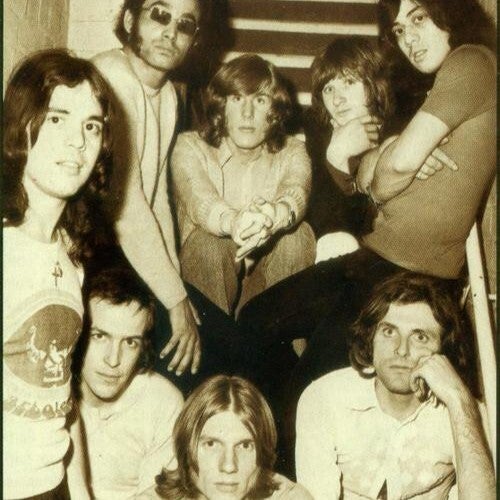
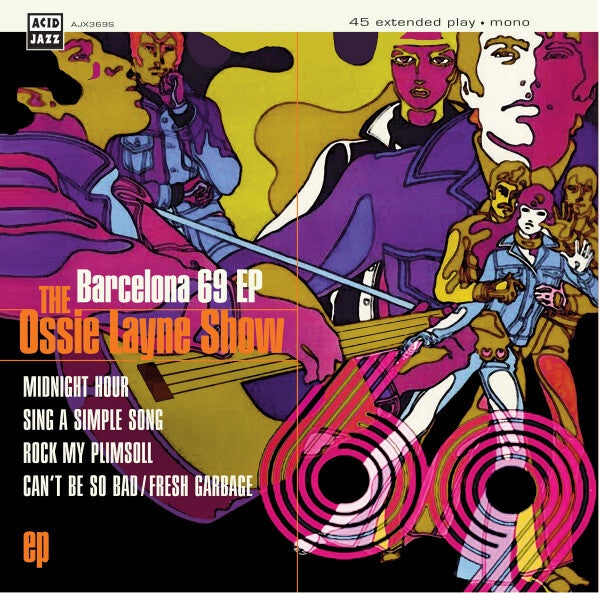
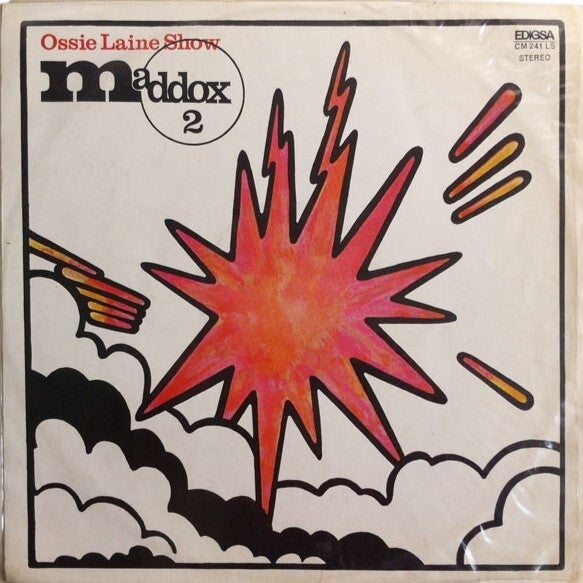
The Ossie Laine Show – Eine britische Big-Band, die den US-Soul-Sänger Ossie Layne aus New Orleans bei seinem mehrjährigen Aufenthalt in Europa begleitete. Unter dem Namen The Ossie Laine Show fand die Band regelmäßige Auftrittsmöglichkeiten in der lebendigen Londoner Clubszene. Außerdem waren sie zudem als Begleit-Band für US-Soul-Künstler tätig die in Großbritannien für kurze Tournee gastierten – darunter unter anderem auch Solomon Burke. Im Sommer 1968 erhielt diese Truppe zudem ein festes Engagement im Nacht-Club Maddox (Platja D'Aro, Girona, nähe französische Grenze) an der spanischen Costa Brava. Bei diesem sommerlichen Engagement im Jahr 1968 entstand das Album Maddox 2 (Edigsa Records – CM 241 LS). Mitglieder: Colin Jennings, Dick Hanson, Garth Watt-Roy, Ian Aitchison, Mike Deacon, Norman Watt-Roy, Ossie Layne, Ron Prudence, Tex Lloyd (alias Phillpotts). Alle Mitglieder waren später auch beim Debüt von The Greatest Show On Earth am Musizieren. Erwähnenswert ist auch noch das Garth Watt-Roy (East Of Eden, Fuzzy Duck, Steamhammer, The Marmalade, The Q Tips), Norman Watt-Roy (Glencoe, Ian Dury And The Blockheads, Loving Awareness, Wilko Johnson Band) und Ron Prudence davor ab 1966 in der Band The Living Daylights (Vorher: The Guyatones) zusammen musizierten.
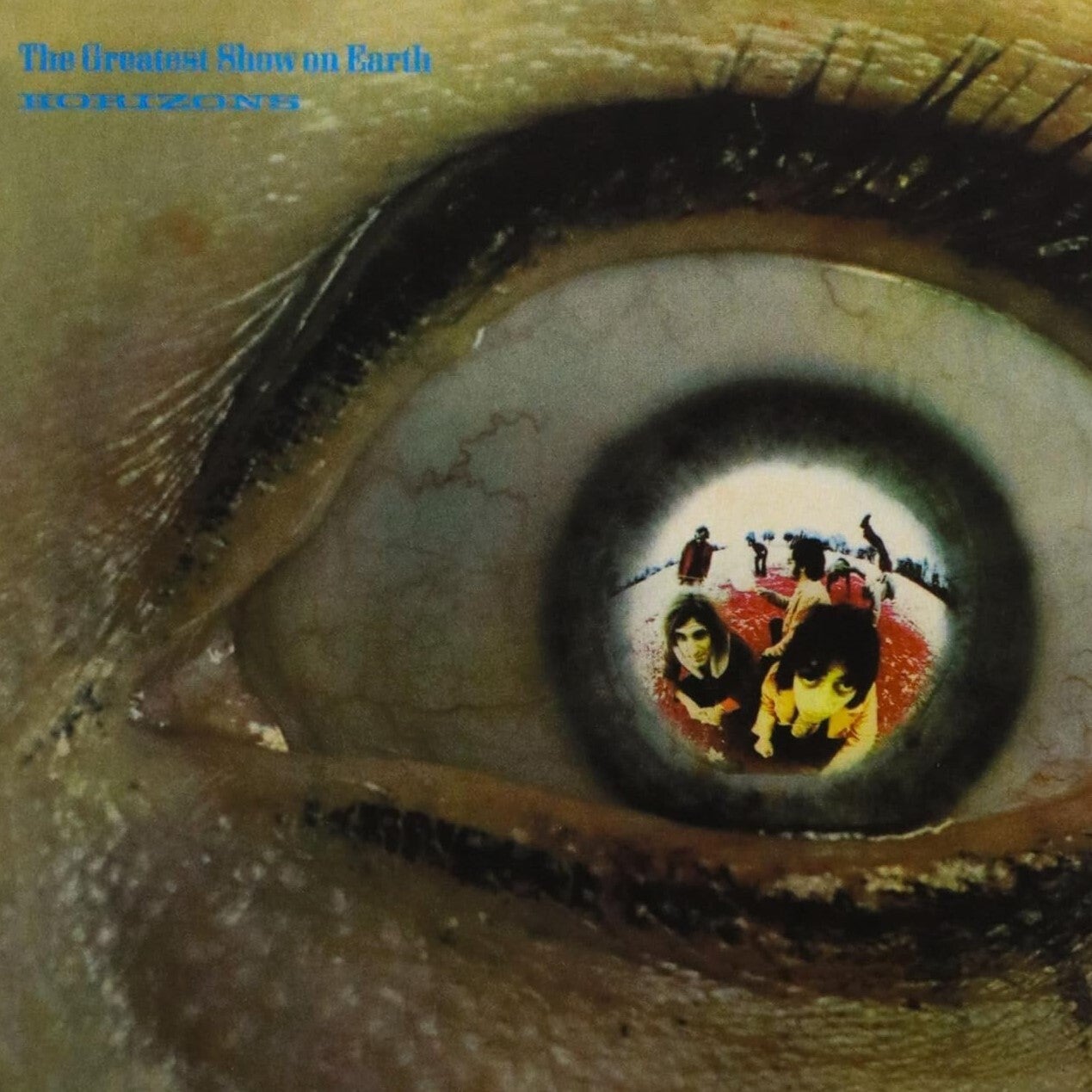
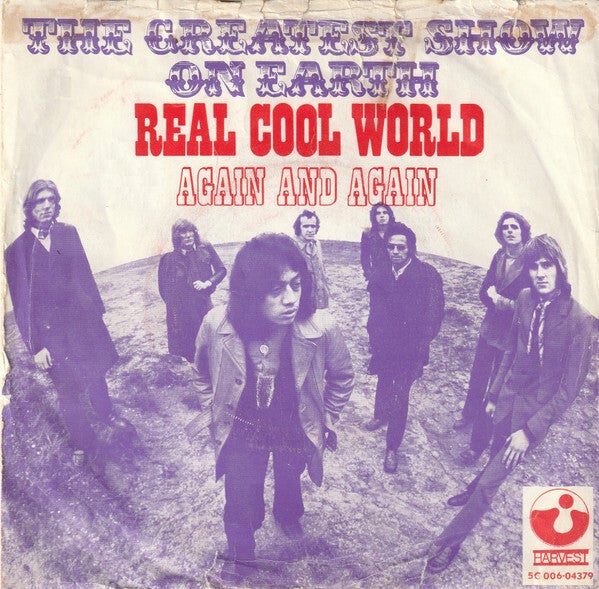
The Greatest Show On Earth: Horizons – Sie wurden 1968 von dem Gitarristen Garth Philip Watt-Roy (1947, Bombay) und seinem Bass spielenden Bruder Norman Watt-Roy (1951, Bombay, Indien) gegründet. Zur ursprünglichen Besetzung gehörten der Keyboarder Michael „Mike“ Deacon, der Schlagzeuger Ron Prudence (The Living Daylights) sowie die drei Bläser Richard „Dick“ Hanson (Vorher: Eddie Cave & The Fyx, Nachher: Big Heat, The Dance Band, The Irish Horns, The Rumour Brass), Tex Phillpotts (alias Tex Lloyd) und Ian Aitcheson. Der erste Sänger der Big-Band war der farbige US-Amerikaner Ossie Lane; der kehrte jedoch ein Jahr später 1969 in seine Heimatstadt New Orleans zurück und wurde durch Colin Horton-Jennings (The Ossie Laine Show) ersetzt – einen Sänger mit markanter, rauer Stimme, der zudem versiert Gitarre, Bongos und Flöte spielte. Die ausgewogene Mischung aus Funk, Jazz, Soul, sowie Blues- und Progressive-Rock erregte die Aufmerksamkeit von Harvest Records (Progressive-Sub-Label EMI). The Greatest Show On Earth erhielt einen Vertrag und veröffentlichte im Februar 1970 die Single Real Cool World – Again And Again (Harvest HAR 5012). Zwar hatte diese in Großbritannien keinen so großen Erfolg, doch in anderen Teilen Europas (auch im deutschsprachigen Raum, Benelux) erreichten sie beachtliche Erfolge. Dort war die Gruppe zudem eine gefragte Live-Attraktion. Beide Titel waren auf ihrem Debüt Horizons (März 1970) enthalten, das in einem markanten, von Hipgnosis (Storm Thorgerson, Aubrey Powell, Peter Christopherson) gestalteten Cover erschien. Zur gleichen Zeit entstand eine Radio-1-Session für Mike Harding, bei der die Band drei neue Stücke präsentierte: Borderline, Mountain Song und Time. Eine zweite Session für Harding folgte im November 1970 mit den Titeln The Leader und Check Me Into Your Life – letzterer wurde nie offiziell veröffentlicht. Der Single-Titel Real Cool World wurde später Bonus auf der VÖ von Repertoire Records (2006, REP 5059).
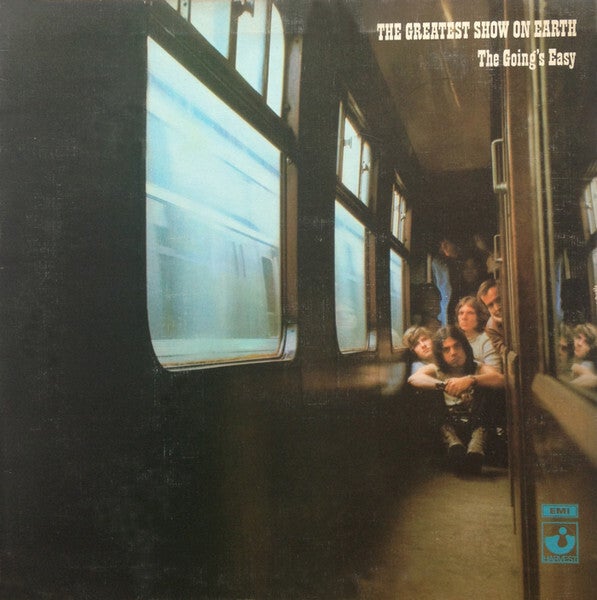
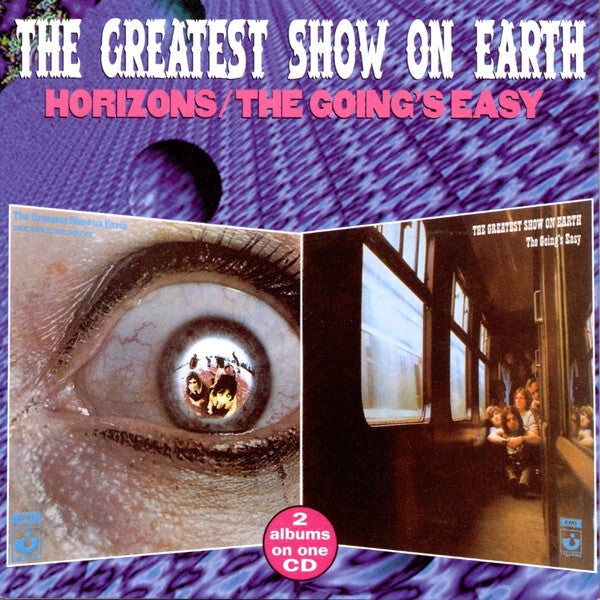
The Greatest Show On Earth: The Going’s Easy – Die im September 1970 erschienene Single Tell The Story – The Mountain Song konnte sich nicht in den Charts platzieren, das gleiche Schicksal ereilte das zweite Album der Band, The Going’s Easy (Harvest SHVL 783). Der starke Titel Magic Woman Touch draus, wurde später von The Hollies (Album: Romany) veröffentlicht. Das zweite gute Album von The Greatest Show On Earth, das für die damalige Zeit nicht ungewöhnlich, recht kurz nach ihrem Debüt erschien, entfernte sich ein wenig vom Bläser-lastigen Klangbild. Die Truppe agierte aber dennoch mit dem kompletten Gebläse; wie aus den Angaben der Repertoire-Wiederveröffentlichung (1994, REP 4483, mit Bonus Single Mountain Song) hervorgeht. Die Ausgabe von Esoteric Recordings (ECLEC 2363) hat auch noch die Single-Version von Magic Woman Touch mit dabei. Das Hipgnosis Cover-Motiv in dem Zug-Waggon ist deutlich zurückgenommener – was angesichts des offensiven Bandnamens The Greatest Show On Earth durchaus sinnvoll erscheint. Das Album erschien ursprünglich bei Harvest und wurde Anfang der 90er Jahre von verschiedenen Labels mit Boni neu aufgelegt, die damalige Klangqualität wurde dabei auf den heutigen Stand gebracht.
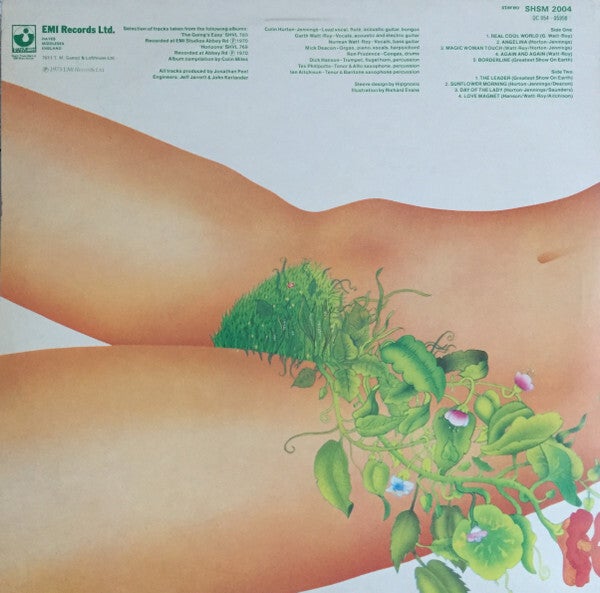
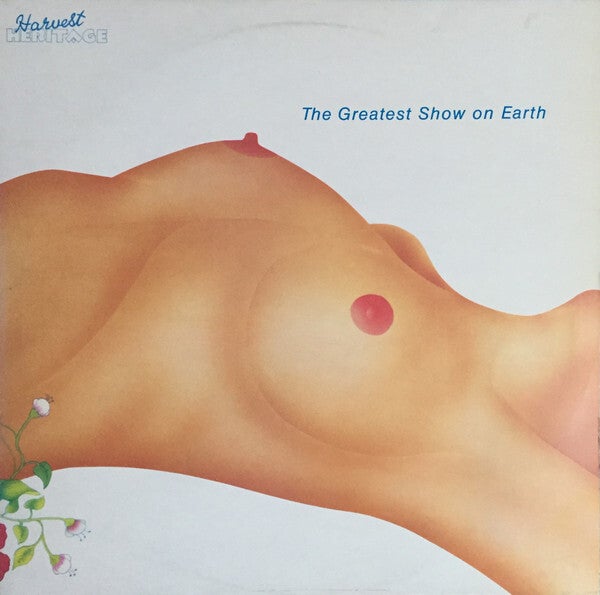
Nach der Show – Die ausbleibenden Erfolge führten schließlich nach Tour-Verpflichtungen bis Mitte 1971 zur Auflösung von The Greatest Show On Earth. Mitte der 70er unternahm das Label Harvest Heritage noch einen Versuch, die Band zu etablieren, indem sie beide Alben mit einem provokanten „Sexy Cover“ als Best-Of neu veröffentlichten. Man setzte vor allem auf die Stärken dieser Truppe sowie auf den Erfolg der Cover-Version von Magic Woman Touch durch The Hollies setzte. Schlagzeuger Ron Prudence sowie die Bläser Ian Aitcheson und Tex Phillpotts zogen sich vollständig aus der Musikwelt zurück. während Colin Horton-Jennings sich der Band Chaser (3 Singles bei Harvest) anschloss und später bei Tagget mitwirkte, mit denen er 1973 ein selbstbetiteltes Album bei EMI (US bei United Artists Records) veröffentlichte. Richard „Dick“ Hanson wandte sich der Studioarbeit zu und nahm Aufnahmen mit Künstlern wie The Blues Band, Graham Parker, Dave Edmunds, Kirsty MacColl und Shakin’ Stevens auf. Außerdem musizierte er bei Big Heat, The Dance Band, The Irish Horns, The Rumour Brass.
Keyboarder Michael „Mike“ Deacon wurde Mitglied bei Vinegar Joe und spielte später sowohl in der Suzi Quatro Band als auch bei der Gruppe Darts. Bassist Norman Watt-Roy gründete die Band Glencoe, die zwei Alben bei Epic veröffentlichte: Glencoe (1972) und The Spirit Of Glencoe (1973). Im Februar 1974 löste sich die Band auf, einige Mitglieder schlossen sich anschließend Loving Awareness an. Die war ebenso von Norman ins Leben gerufen worden und die veröffentlichten 1976 ein selbstbetiteltes Album bei More Love Records. Aus dieser Formation gingen dann später The Blockheads hervor, die Begleitband von Ian Dury. Danach wurde er Mitglied der Wilko Johnson Band. Gitarrist Garth Watt-Roy schloss sich zunächst Fuzzy Duck an, bevor er als Studiomusiker für Interpreten wie East Of Eden, Limey und Bonnie Tyler tätig wurde; zudem war er Mitglied von Marmelade, The Q-Tips und The Barron Knights. Schon allein die Namen dieser Bands und Künstler zeigt welche geballte Qualität hier bei The Greatest Show On Earth am Musizieren war. Bilder: Cover, Promo, Text: Roland Koch
Brit Barde: The Greatest Show On Earth (UK) – Englisch Version
The Greatest Show On Earth was an eight-piece British pop and progressive rock band from the early 1970s. Due to their musical style, they were often compared to American groups like Chicago and Blood, Sweat & Tears, as well as the band IF. The Ossie Laine Show was a British big band that accompanied American soul singer Ossie Layne — originally from New Orleans — during his multi-year stay in Europe. Performing under the name "The Ossie Laine Show," the group secured regular gigs within London’s vibrant club scene. They also served as a backing band for various American soul artists visiting the UK for short tours, including Solomon Burke. In the summer of 1968, the ensemble landed a residency at the Maddox nightclub in Platja d'Aro (Girona, near the French border) on Spain’s Costa Brava. It was during this 1968 summer engagement that the album *Maddox 2* (Edigsa Records – CM 241 LS) was recorded. The members included Colin Jennings, Dick Hanson, Garth Watt-Roy, Ian Aitchison, Mike Deacon, Norman Watt-Roy, Ossie Layne, Ron Prudence, and Tex Lloyd (alias Phillpotts). All of these musicians later went on to perform on the debut release by The Greatest Show on Earth. It is also worth noting that Garth Watt-Roy (known for his work with East of Eden, Fuzzy Duck, Steamhammer, The Marmalade, and The Q-Tips), Norman Watt-Roy (associated with Glencoe, Ian Dury and the Blockheads, Loving Awareness, and the Wilko Johnson Band), and Ron Prudence had previously played together in the band The Living Daylights (formerly known as The Guyatones) starting in 1966.
The Greatest Show On Earth: Horizons — an octet was founded in 1968 by guitarist Garth Philip Watt-Roy (born 1947, Bombay) and his brother, bassist Norman Watt-Roy (born 1951, Bombay, India). The original lineup included keyboardist Michael "Mike" Deacon, drummer Ron Prudence (formerly of The Living Daylights), and a three-piece horn section consisting of Richard "Dick" Hanson (previously with Eddie Cave & The Fyx; later with Big Heat, The Dance Band, The Irish Horns, and The Rumour Brass), Tex Phillpotts (alias Tex Lloyd), and Ian Aitcheson. The band’s first lead singer was the African American performer Ossie Lane; however, he returned to his hometown of New Orleans a year later, in 1969, and was replaced by Colin Horton-Jennings (from The Ossie Laine Show) — a vocalist with a distinctive, raspy voice who was also proficient on guitar, bongos, and flute. The group’s well-balanced blend of funk, jazz, soul, blues, and progressive rock caught the attention of Harvest Records (a progressive-leaning sub-label of EMI). The Greatest Show on Earth signed a contract and, in February 1970, released the single "Real Cool World" / "Again and Again" (Harvest HAR 5012). While the single did not achieve major success in the United Kingdom, it fared quite well in other parts of Europe — including the German-speaking countries and the Benelux region — where the group also became a sought-after live act. Both tracks were included on their debut album, *Horizons* (March 1970), which featured a striking cover designed by the art collective Hipgnosis (Storm Thorgerson, Aubrey Powell, and Peter Christopherson). Around the same time, the band recorded a session for Mike Harding’s Radio 1 show, during which they presented three new songs: "Borderline," "Mountain Song," and "Time." A second session for Harding followed in November 1970, yielding the tracks "The Leader" and "Check Me Into Your Life" — the latter was never officially released. The single "Real Cool World" was later included as a bonus track on the release by Repertoire Records (2006, REP 5059).
The Greatest Show On Earth: The Going’s Easy – The single "Tell The Story" / "The Mountain Song," released in September 1970, failed to chart; the band’s second album, *The Going’s Easy* (Harvest SHVL 783), met the same fate. A standout track from the record, "Magic Woman Touch," was later covered by The Hollies (on their album *Romany*). This second strong effort from The Greatest Show On Earth — released quite soon after their debut, which was not unusual for the era — moved slightly away from a horn-heavy sound. Nevertheless, the group continued to feature a full horn section, as confirmed by the liner notes for the 1994 Repertoire reissue (REP 4483, which includes the "Mountain Song" single as a bonus). The edition from Esoteric Recordings (ECLEC 2363) also includes the single version of "Magic Woman Touch." The cover art, designed by Hipgnosis and featuring a train carriage, is notably more understated — a fitting choice, perhaps, given the bold, assertive nature of the band’s name, "The Greatest Show On Earth." Originally released on the Harvest label, the album was reissued with bonus tracks by various labels in the early 1990s, with the sound quality updated to modern standards.
After The Show – A lack of commercial success eventually led to the breakup of The Greatest Show On Earth, following the completion of tour commitments that ran until mid-1971. In the mid-70s, the label Harvest Heritage made one final attempt to establish the band by reissuing both of their albums as a "best-of" collection, featuring a provocative "sexy" cover. The release leaned on the group's core strengths, as well as the success of The Hollies' cover version of "Magic Woman Touch." Drummer Ron Prudence and horn players Ian Aitcheson and Tex Phillpotts retired from the music industry entirely. Colin Horton-Jennings joined the band Chaser (releasing three singles on Harvest) and later participated in the group Tagget, with whom he released a self-titled album in 1973 via EMI (in the U.S. through United Artists Records). Richard "Dick" Hanson turned to studio work, recording with artists such as The Blues Band, Graham Parker, Dave Edmunds, Kirsty MacColl, and Shakin’ Stevens; he also played with Big Heat, The Dance Band, The Irish Horns, and The Rumour Brass. Keyboardist Michael "Mike" Deacon joined Vinegar Joe and later played with both the Suzi Quatro band and the group Darts. Bassist Norman Watt-Roy formed the band Glencoe, which released two albums on Epic: *Glencoe* (1972) and *The Spirit Of Glencoe* (1973). The band broke up in February 1974, and some members subsequently joined Loving Awareness — a group also founded by Norman — which released a self-titled album on More Love Records in 1976. This lineup later evolved into The Blockheads, the backing band for Ian Dury. Afterward, Watt-Roy became a member of the Wilko Johnson Band. Guitarist Garth Watt-Roy first joined Fuzzy Duck before working as a session musician for artists such as East Of Eden, Limey, and Bonnie Tyler; he was also a member of Marmelade, The Q-Tips, and The Barron Knights. The mere names of these bands and artists demonstrate the immense caliber of the musicians involved in The Greatest Show On Earth. Images: Cover, promo; Text: Roland Koch
Kommentar hinzufügen
Kommentare