Momentan alles klar, hat Paul Francis auch bis zuletzt gedacht, leider falsch – Wieder so ein aufstrebender virtuoser britischer Gitarrist, wieder so eine tragische Geschichte. Diesmal heißt der Kandidat Paul Francis Kossoff aus Nord-London, geboren am 14. September 1950.
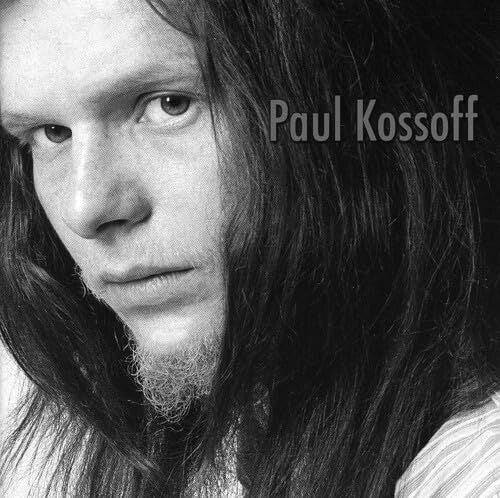
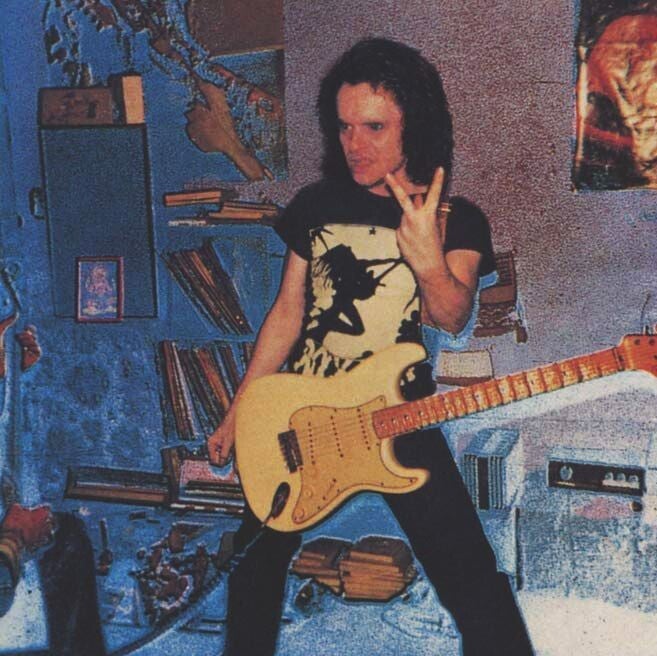

Er ist der Sohn des britischen Charakter-Darstellers David Kossoff. Bei einem so jungen Musiker, der früh bei so vielen musikalisch schwergewichtigen Stationen erfolgreich in die Stahlsaiten gegriffen hat und bereits nach knapp 25 Lebensjahren stirbt, kann man sicher wieder einmal von Tragödie sprechen. Wenn man dann auch noch einige andere Namen erwähnt und im Zusammenhang bringt, ist man im ersten Moment etwas irritiert: Nick Drake, Gary Thain, John Martyn, Paul Kossoff, alles Musiker, die Anfang der 70er direkt untereinander Kontakte hatten, man könnte sogar sagen weitestgehend gut befreundet waren. Kossoff war der Don Quichotte im damaligen großen Heer der britischen Gitarreros und seine Spielweise war eng verwandt mit dem frühen bluesigen Eric Clapton. Der hatte oft sehr lobende Worte für Paul. Im Gegensatz zu vielen vergleichbaren Gitarristen im Feld des englischen Blues-Rock der späten 60er, verzichtete Paul Kossoff meist auf überlange sowie auf reine Demonstration seiner Virtuosität angelegte Solo-Einlagen. Seine melodische, atmosphärische, lyrische Gitarrenarbeit zeichnet sich zumindest in der Zeit von Black Cat Bones und Free durch eine songdienliche Spielweise aus, die oft mit wenigen Noten die Grundstimmung eines Themas klangtechnisch umreißt. Damit schaffte er oft ein Milieu das seine Mitspieler hineinführt in ein kollektives Musizieren. Eine besondere Spezialität war dabei das sehr gefühlvolle Vibrato, das seinen solistischen Gitarrenlinien eine nahezu gesangliche Ausdrucksstärke verliehen hat.
Paul Kossoff (Front-Gitarre) und Schlagzeuger Simon Kirke gründeten Mitte der 60er zusammen mit Tieftöner Stuart Brooks und seinem Bruder Derek Brooks (Rhythmus-Gitarre) im Kern die Blues-Rock-Band Black Cat Bones, benannt nach einem Zitat aus dem Muddy-Waters-Blues Hoochie Coochie Man. Zusammen mit dem Sänger Paul Tiller übten die jungen Musiker 1967 im Haus vom Schlagzeuger Frank Perry und nehmen einige Lieder mit einfachen Amateurgeräten auf. Auch Paul Rodgers ist auf dem Titel I’m Ready bereits zu hören. Die 15 historischen Titel sind auf dem Doppeldecker Paul’s Blues (2008, Sunbeam Records) veröffentlicht worden, sind somit die ersten Ton-Konserven des jungen Kossoff. Im Frühjahr 1968 stießen Paul, Simon und Stuart zur Tournee-Band des Blues-Interpreten Champion Jack Dupree. An dessen Album When You Feel The Feeling You Was Feeling (April 1968) waren sie dann als Begleit-Musiker beteiligt. Hierdurch lernte Kossoff den englischen Blues-Musiker Alexis Korner kennen, der ihn wiederum mit dem Bassisten Andy Fraser und wieder mit dem Sänger Paul Rodgers zusammenführte. Beim offiziellen Black-Cat-Bones-Debüt Barbed Wire Sandwich (1970) arbeitete schon eine ganz andere Truppe an den Instrumenten, nur noch die Brooks-Brothers waren mit dabei. Einzig der „neue“ Frontmann Rod Price konnte sich später noch das Highlight als Mitgründer von Foghat in die Musik-Geschichtsbücher schreiben.
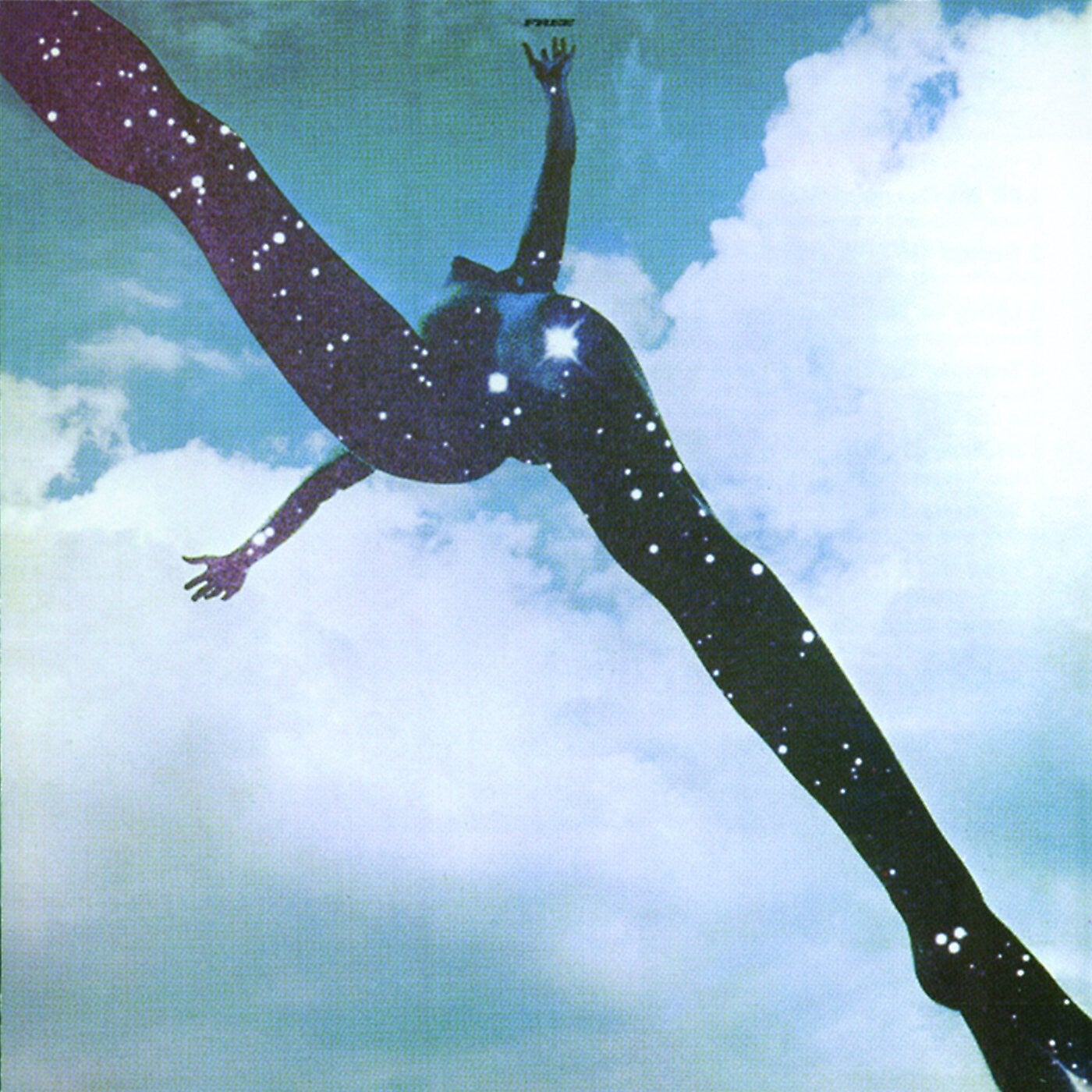
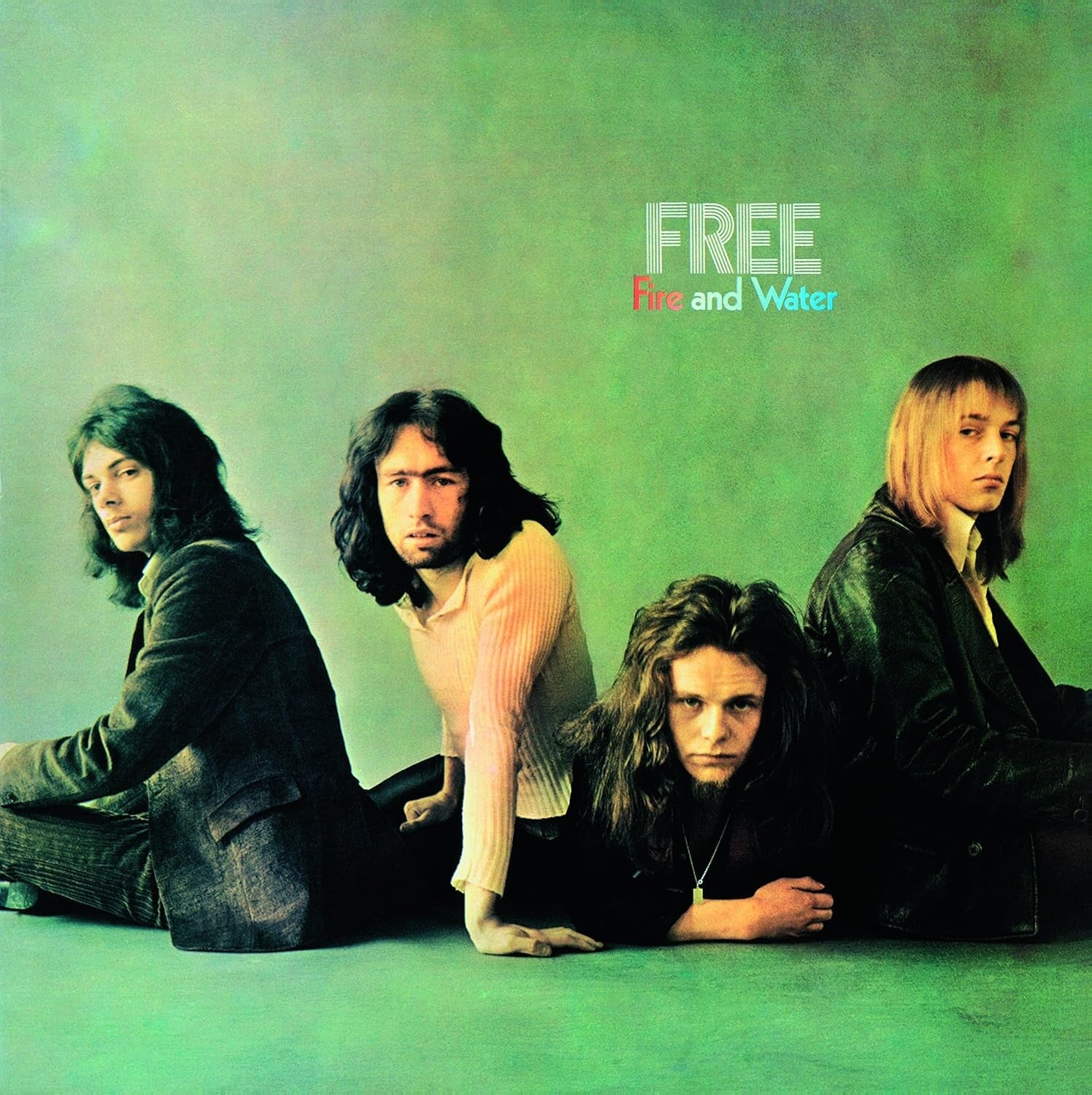
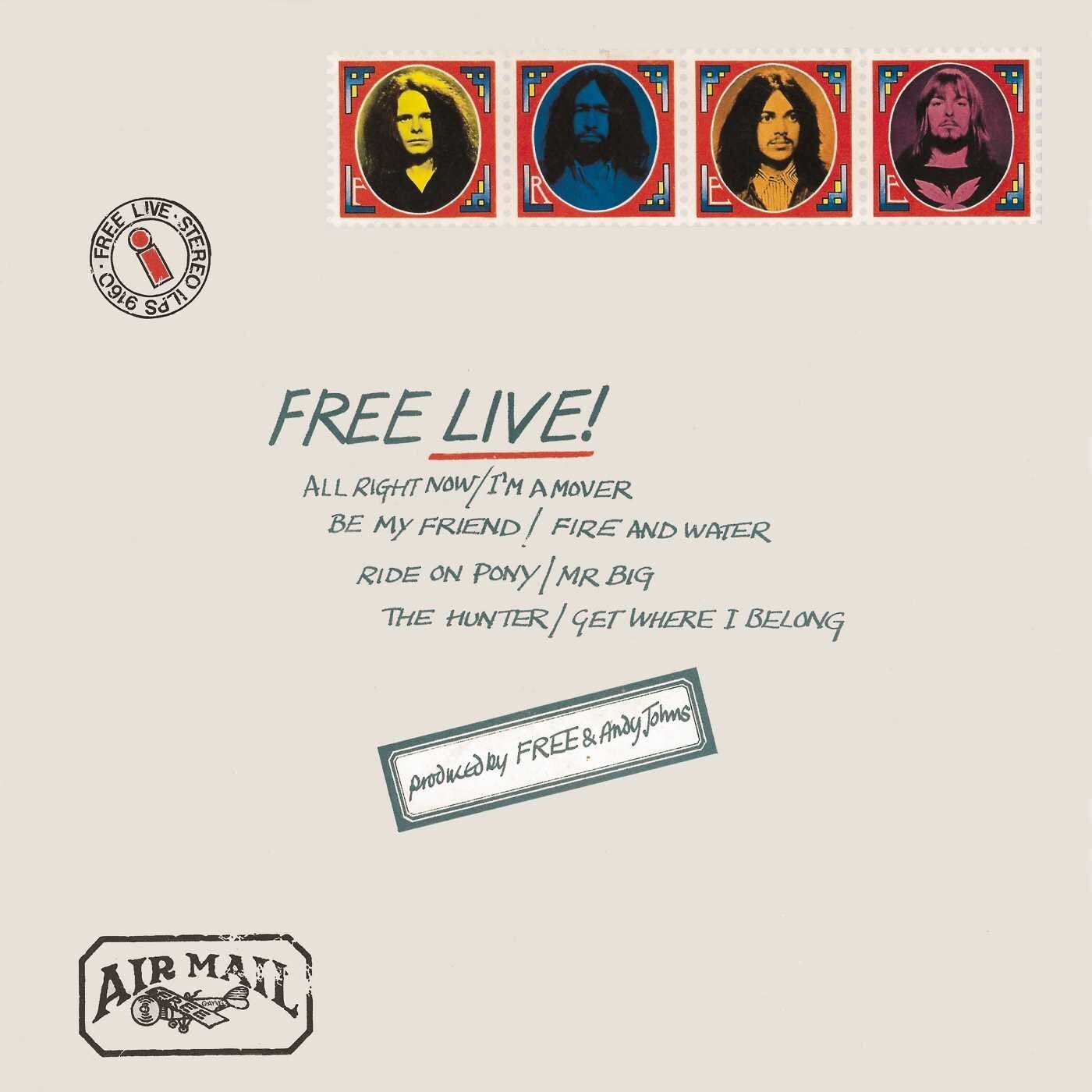
Zufällig war Gitarrist Paul Kossoff auch mal bei einem Auftritt der Londoner Band Brown Sugar vom Gründer und Frontmann Paul Rodgers (Gesang, Gitarre, Tasten) im Publikum und sofort war die Idee geboren mit Simon Kirke, eben Rodgers und Andy Fraser (Bass) irgendwann eine neue Blues-Rock-Band zu gründen. Dem Grand Seigneur und Ziehvater des britischen Blues Alexis Korner kam das zu Ohren, gab den Segen und den Namensvorschlag Free in Anlehnung an seine eigene Trio-Formation mit Pianist Steve Miller und Robert Plant namens Free At Last, später wurde daraus New Church. Alexis traf sogar so genau ins Schwarze, das das vierte Album der dann neu formierten englischen bluesigen Rock-Combo Free, die hatten mit All Right Now 1970 ihren größten Single-Hit, dann später sogar als Verbeugung vor dem weißen Blues-Meister auch Free At Last (1972) hieß.
Paul Kossoff gehörte der Band bis 1972 als festes Mitglied an und auf deren Abschiedsalbum Heartbreaker wirkte er zumindest noch als Gast-Musiker mit. Wie in dieser Zeit noch üblich, wurde Erfolg hauptsächlich an Hits und Chart-Platzierungen gemessen, die sie mit ihrem größten Hit All Right Now vom Album Fire And Water (1970) zwar hatten, aber dennoch nicht ausreichte das Feuer nahe dem Wasser bleibend am Lodern zu halten. 1970 spielten Free auf dem heute legendären Isle Of Wight Festival zusammen mit Jimi Hendrix, Joni Mitchell und The Who. Der Verdienst dieser großartigen, äußerst unterbewerteten Blues-Rock-Band sind die kompositorischen und spieltechnischen Fähigkeiten. Das gesamte Material der Band gehört ähnlich wie bei Led Zeppelin und Deep Purple (Mark 2, 07-1969 bis 06-1973) zum zeitlosen Vermächtnis des klassischen, britischen Rock. Früh 1973 löste sich die Band Free leider schon wieder auf. Schade !!


Blues-Kraftwerk Paul Rodgers gründete Peace, Paul Kossoff brachte direkt erst einmal sein erstes Solo-Album Back Street Crawler (1973) heraus. Dieses schnelle Album war in sich stilistisch und personell etwas uneinheitlich aufgebaut. Aufgrund seiner Erfahrungen in einem Band-Gerüst arbeitete er hier erst mal lose mit verschiedenen Session-Musikern zusammen. Etwa dem gelegentlichen Free-Helfer John „Rabbit“ Bundrick (Keyboards), dem Yes-Schlagzeuger Alan White sowie dem von Brian Auger, Jeff Beck, Hummingbird bekannten Basser Clive Chaman. Die überwiegend instrumental gehaltenen Stücke bestehen zumeist aus einfachen Riffs und Hooklines, über die Kossoff diesmal ausschweifende Improvisationen aufbaute. In der Deluxe-Ausgabe gibt es sechs weitere Versionen vom Titel Tuesday Morning auf CD1 und weiteren neun Titel auf CD2, inklusive den 40-minütige Jam-Blues Time Away.
Bei diesem Jumbo-Track und zwei weiteren kürzeren (May You Never, Leslie Jam) ist sein Gitarren-Partner kein geringerer als John Martyn. Paul hat dann im Gegenzug auch bei mehreren Projekten von John Martyn mitgewirkt, beispielsweise bei Live At Leeds (1975). Aber auch I’m Ready aus Zeiten von Black Cat Bones ist wieder mit drei Versionen dabei. Zu diesem ebenfalls immer an der Kante lebenden Künstler John Martyn gibt es im MINT einen weiteren interessanten Beitrag. Kossoff und Simon Kirke formieren dann auch noch das kurzzeitige Quartett Kossoff, Kirke, Tetsu & Rabbit, das 1972 nur ein selbstbetiteltes, aber gutes Album herausbrachte. Kossoff unterstützte auch bei Amazing Blondel und Jim Capaldi, er war halt damals sehr gefragt.
Paul Rodgers und Simon Kirke gründeten bald danach das stilähnliche und ebenfalls erfolgreiche Blues-Rock-Quartett Bad Company. Sie werden ebenso erfolgreich und berechtigt immer im gleichen Atemzug mit Free genannt. Aber das ist eine ganz andere Geschichte. Andy Fraser (Bass), der die Band Free bereits 1972 verlassen hatte, schloss sich zuerst The Sharks an, veröffentlichte in den folgenden Jahren mit ihnen drei unbeachtete Solo-Alben, arbeitete unter anderem auch als Komponist für den Blues-Rocker Frankie Miller und war bis zu seinem Tod im März 2015 weiter als Musiker sehr aktiv.


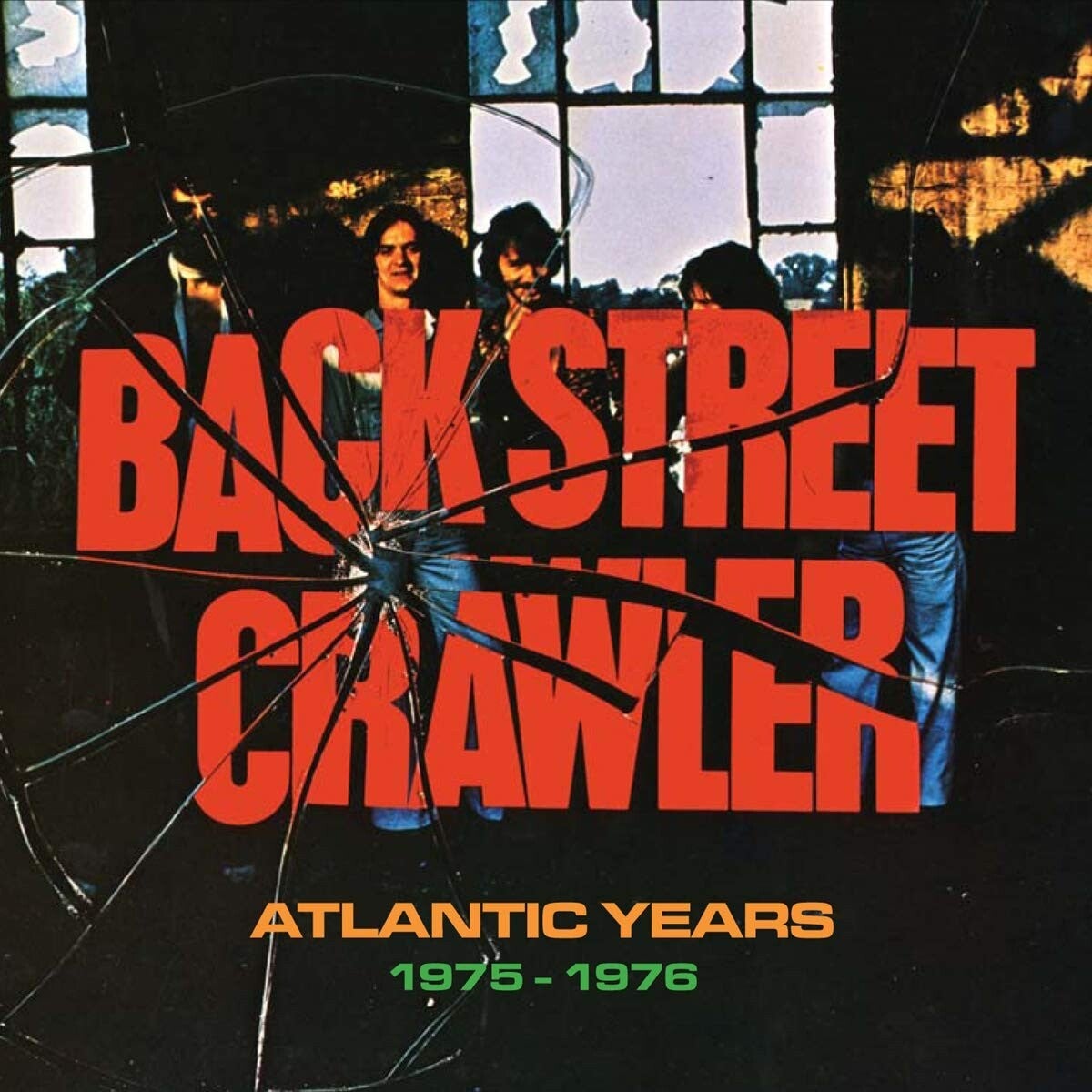
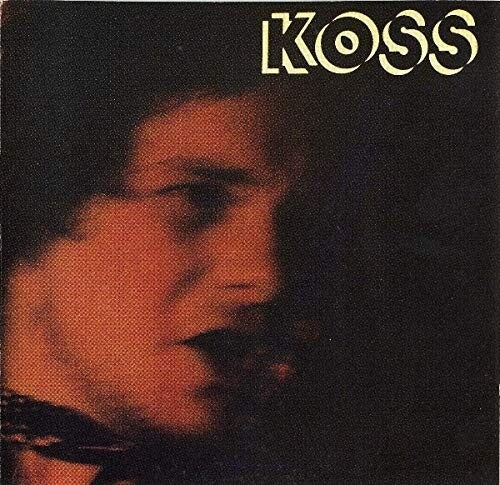
Mitte der 70er gründete der nun gereifte Paul Kossoff mit einigen unbekannteren Musikern die Band Back Street Crawler. Der Bandname war angelehnt an Pauls erstes Solo-Album von 1973. Mit denen veröffentlichte er zwei gute Alben (1975: The Band Plays On, 1976: 2nd Street) und tourte auch fleißig. Posthum erschien 1977 Koss (1982 als CD), rare Studioaufnahmen von Free, Amazing Blondel, Jim Capaldi, Back Street Crawler sowie 4 Live-Titel. Die 2020 erschienene 4CD-Box Atlantic Years 1975-1976 beinhaltet die beiden klanglich aufbereiteten Studio-Alben 1975/76 die damals für Atlantic Records aufgenommen wurden sowie auf CD3 ein Konzert-Mitschnitt aus Croydon (Fairfield Hall 15-06-1975). Dieses Konzert wurden 1983 als Doppel-Vinyl Street Tunes zusammen mit Los Angeles (The Starwood Club 03-03-1976) veröffentlicht. CD4 enthält dieses historische finale Live-Konzert, leider in akzeptabler Bootleg-Qualität, aber hörbar (1-7) und vier Auskoppelungen vom Debüt, davon Evening Time und She's Gone bisher unveröffentlicht (alle vier auch Promo-EP 2022: Outtakes & Unreleased als Beilage zur DCD The Live Performances: First & Last). Nach dem frühen und tragischen Tod Kossoff’s geht es dennoch weiter, Namensänderung zu Crawler: selbstbetiteltes Debüt (1977), Snake, Rattle And Roll (1978) und Crawler Live (1978, aufgenommen My Father's Place, 1971 bis 1987: Club auf Long Island). Besetzung: Geoff Whitehorn (Gitarre), John „Rabbit Bundrick“ (Keyboards), Terry Wilson (Bass), Terry Wilson-Slesser (Gesang), Tony Braunagel (Schlagzeug).
Kossoff’s angegriffene Gesundheit war in den letzten Jahren seines kurzen Lebens stark von seiner massiven Drogenabhängigkeit (Mandrax) gezeichnet. Er starb früh am 19. März 1976 im Alter von nur 25 Jahren auf einem Flug von Los Angeles nach New York aufgrund von Herzproblemen, vermutlich als Folge von massig Drogen-Konsum. Seinem Sohn zu Ehren gründete sein Vater David Kossoff die Paul-Kossoff-Foundation, mit der er die Drogenproblematik aktiv bekämpfte. Ein Tribut an den verstorbenen Kossoff gab es am 24. März 1976 in Santa Monica. The Sweet befanden sich auf einer US-Tournee, bei der Back Street Crawler ursprünglich als Support auftreten sollten. Sie spielten gemeinsam mit Ritchie Blackmore, der sich im Publikum befunden hatte, zu Ehren von Paul Kossoff den Free-Song All Right Now (dieses Lied war auch im Repertoire von Queen & Paul Rodgers). Bilder: Cover, Promo, Text: Roland Koch
Tragic Rock: Paul Francis Kossoff (UK)
Everything was fine, Paul Francis thought until the very end, but unfortunately he was wrong – yet another promising British guitar virtuoso and creative composer, yet another tragic story. This time, the candidate is Paul Francis Kossoff from North London, born on 14 September 1950. He is the son of British character actor David Kossoff. With such a young musician, who successfully strummed the steel strings at so many musically heavyweight venues at an early age and died after barely 25 years of life, one can certainly speak of tragedy once again. When you mention a few other names and connect them, you might be a bit confused at first: Nick Drake, Gary Thain, John Martyn, Paul Kossoff, all musicians who were in touch with each other in the early 70s, and you could even say they were mostly good friends. Kossoff was the Don Quixote of the great army of British guitarists of that era, and his playing style was closely related to the early bluesy Eric Clapton. Clapton often had very complimentary words for Paul. Unlike many comparable guitarists in the field of English blues rock of the late 1960s, Paul Kossoff mostly refrained from overly long solos designed purely to demonstrate his virtuosity. His melodic, atmospheric, lyrical guitar work, at least during the Black Cat Bones and Free era, is characterised by a song-oriented style that often outlines the basic mood of a theme with just a few notes. In this way, he often created an environment that led his fellow musicians into a collective musical experience. A particular speciality was his very soulful vibrato, which gave his solo guitar lines an almost vocal expressiveness.
In the mid-1960s, Paul Kossoff (lead guitar) and drummer Simon Kirke teamed up with bassist Stuart Brooks and his brother Derek Brooks (rhythm guitar) to form the blues rock band Black Cat Bones, named after a line from Muddy Waters' blues song Hoochie Coochie Man. Together with singer Paul Tiller, the young musicians rehearsed in drummer Frank Perry's house in 1967 and recorded a few songs with simple amateur equipment. Paul Rodgers can also be heard on the track ‘I'm Ready’. The 15 historic tracks were released on the double album ‘Paul's Blues’ (2008, Sunbeam Records), making them the first recordings of the young Kossoff. In the spring of 1968, Paul, Simon and Stuart joined the touring band of blues artist Champion Jack Dupree. They then participated as accompanying musicians on his album ‘When You Feel The Feeling You Was Feeling’ (April 1968). This is how Kossoff met English blues musician Alexis Korner, who in turn introduced him to bassist Andy Fraser and singer Paul Rodgers. By the time Black Cat Bones made their official debut with ‘Barbed Wire Sandwich’ (1970), a completely different group of musicians was playing the instruments, with only the Brooks brothers remaining. Only the ‘new’ front man, Rod Price, would later make his mark in the music history books as co-founder of Foghat.
Guitarist Paul Kossoff happened to be in the audience at a gig by the London band Brown Sugar, founded and fronted by Paul Rodgers (vocals, guitar, keyboards), and the idea was immediately born to form a new blues-rock band with Simon Kirke, Rodgers himself, and Andy Fraser (bass). This came to the attention of the grand old man and godfather of British blues, Alexis Korner, who gave his blessing and suggested the name Free, a nod to his own trio with pianist Steve Miller and Robert Plant called Free At Last, which later became New Church. Alexis's suggestion was so spot-on that the fourth album by the newly formed English blues-rock combo Free, who had their biggest single hit with "All Right Now" in 1970, was later even titled Free At Last (1972) as a tribute to the white blues master. Paul Kossoff was a permanent member of the band until 1972, and he at least contributed as a guest musician to their farewell album Heartbreaker. As was common at the time, success was primarily measured by hits and chart positions, which they achieved with their biggest hit, "All Right Now," from the album *Fire and Water* (1970). However, this wasn't enough to keep the fire burning brightly. In 1970, Free played at the now legendary Isle of Wight Festival alongside Jimi Hendrix, Joni Mitchell, and The Who. The merit of this great, extremely underrated blues-rock band lies in their songwriting and technical skills. Much like Led Zeppelin and Deep Purple (Mark 2, July 1969 to June 1973), all of the band's material belongs to the timeless legacy of classic British rock. Unfortunately, Free broke up again in early 1973. What a shame!
Blues powerhouse Paul Rodgers founded Peace, and Paul Kossoff immediately released his first solo album, *Back Street Crawler* (1973). This fast-paced album was somewhat stylistically and personnel-wise inconsistent. Drawing on his experience within a band structure, he initially collaborated loosely with various session musicians, including occasional Free collaborator John "Rabbit" Bundrick (keyboards), Yes drummer Alan White, and bassist Clive Chaman, known for his work with Brian Auger, Jeff Beck, and Hummingbird. The predominantly instrumental tracks mostly consist of simple riffs and hooks, over which Kossoff built expansive improvisations. The deluxe edition includes six additional versions of the track "Tuesday Morning" on CD1 and nine more tracks on CD2, including the 40-minute jam blues "Time Away." On this jumbo track and two other shorter ones (May You Never, Leslie Jam), his guitar partner is none other than John Martyn. Paul, in turn, also contributed to several of John Martyn's projects, for example, Live At Leeds (1975). I'm Ready from his Black Cat Bones days is also included again with three versions. There's another interesting article about this artist, John Martyn, who also always lived on the edge, in the MINT magazine. Kossoff and Simon Kirke then formed the short-lived quartet Kossoff, Kirke, Tetsu & Rabbit, which released only one self-titled but good album in 1972. Kossoff also played with Amazing Blondel and Jim Capaldi; he was in high demand at the time.
Paul Rodgers and Simon Kirke soon founded the stylistically similar and equally successful blues-rock quartet Bad Company. They are just as successful and rightfully always mentioned in the same breath as Free. But that's a whole other story. Andy Fraser (bass), who had already left Free in 1972, first joined The Sharks, released three overlooked solo albums with them in the following years, also worked as a composer for blues-rocker Frankie Miller, and remained very active as a musician until his death in March 2015.
In the mid-1970s, the now more mature Paul Kossoff founded the band Back Street Crawler with some lesser-known musicians. The band's name was inspired by Paul's first solo album from 1973. With them, he released two excellent albums (1975: *The Band Plays On*, 1976: *2nd Street*) and toured extensively. Posthumously, *Koss* was released in 1977 (and on CD in 1982), along with rare studio recordings by Free, Amazing Blondel, Jim Capaldi, and Back Street Crawler, as well as four live tracks. The 2020 4-CD box set *Atlantic Years 1975-1976* contains the two remastered studio albums from 1975/76, originally recorded for Atlantic Records, and a concert recording from Croydon (Fairfield Hall, June 15, 1975) on CD3. This concert was released in 1983 as a double vinyl Street Tunes together with Los Angeles (The Starwood Club 03-03-1976). CD4 contains this historic final live concert, unfortunately in acceptable bootleg quality, but listenable (tracks 1-7), and four singles from their debut album, including previously unreleased tracks "Evening Time" and "She's Gone" (all four also included on the 2022 promo EP "Outtakes & Unreleased" as a bonus track with the double CD "The Live Performances: First & Last"). Despite Kossoff's early and tragic death, the band continued, changing their name to Crawler: self-titled debut (1977), "Snake, Rattle And Roll" (1978), and "Crawler Live" (1978, recorded at My Father's Place, a club on Long Island from 1971 to 1987). The lineup consisted of Geoff Whitehorn (guitar), John "Rabbit Bundrick" (keyboards), Terry Wilson (bass), Terry Wilson-Slesser (vocals), and Tony Braunagel (drums).
Kossoff's poor health in the final years of his short life was heavily influenced by his severe drug addiction (Mandrax). He died prematurely on 19 March 1976 at the age of just 25 on a flight from Los Angeles to New York due to heart problems, presumably as a result of heavy drug use. In honour of his son, his father David Kossoff founded the Paul Kossoff Foundation, through which he actively fought drug abuse. A tribute to the late Kossoff was held on 24 March 1976 in Santa Monica. The Sweet were on a US tour, with Back Street Crawler originally scheduled to perform as support. Together with Ritchie Blackmore, who was in the audience, they played the Free song ‘All Right Now’ in honour of Paul Kossoff (this song was also in the repertoire of Queen & Paul Rodgers). Images: Cover, promo, Text: Roland Koch
Kommentar hinzufügen
Kommentare